
Does a Face Mask Remove Dark Spots? Everything You Need to Know
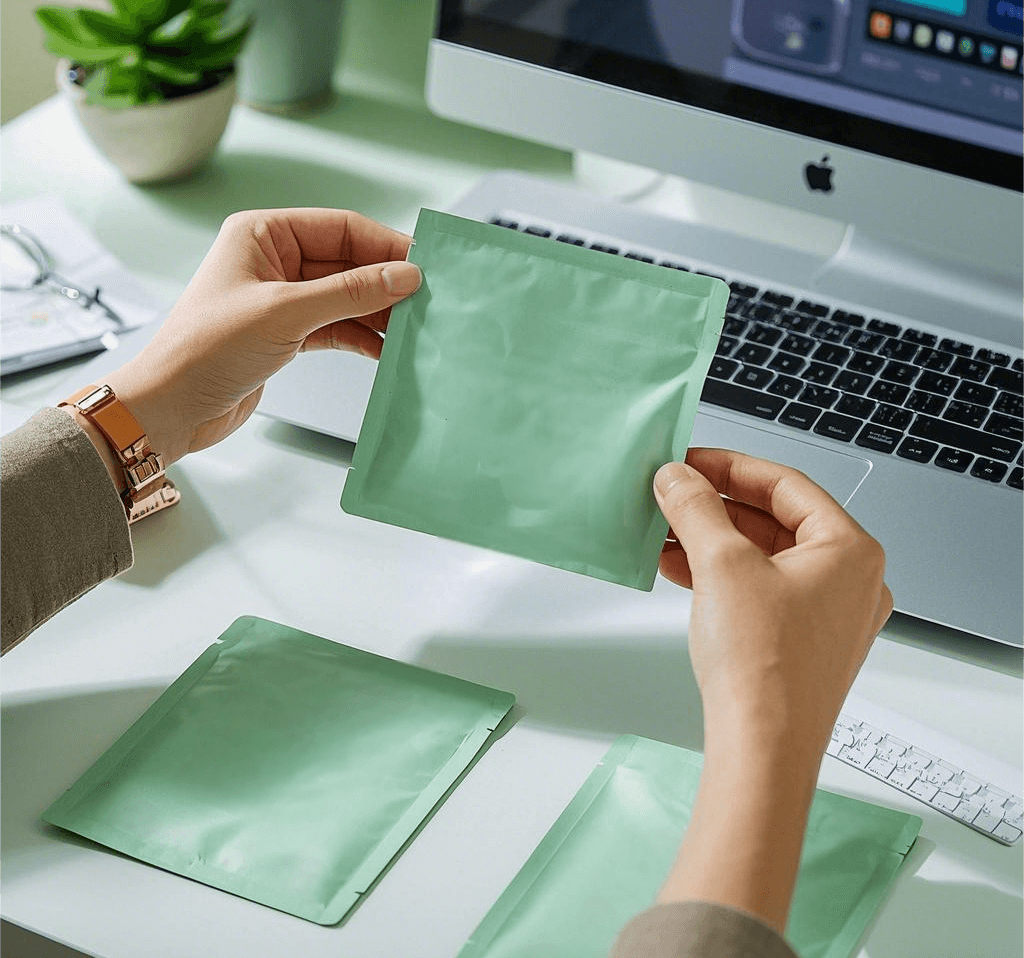
Dark spots, also known as hyperpigmentation, are a common skin concern that affects many people across various age groups. These spots can appear as a result of sun exposure, acne scars, hormonal changes, or even aging. While there are many treatments available for dark spots, one of the most popular solutions is the use of face masks. But do face masks actually help in removing dark spots? In this article, we’ll explore how face masks work, the best ingredients for treating dark spots, and whether they can really make a difference in lightening hyperpigmentation.
What Causes Dark Spots?
Before delving into how face masks can help, it's essential to understand what causes dark spots on the skin. These spots are typically caused by an overproduction of melanin, the pigment responsible for skin color. Factors that contribute to this overproduction include:
- Sun exposure: Prolonged exposure to UV rays stimulates melanin production, leading to sunspots or age spots.
- Acne scars: After a pimple heals, the skin may produce excess melanin in response to inflammation, leaving a dark mark behind.
- Hormonal changes: Pregnancy, birth control pills, or hormone therapy can trigger an increase in melanin, leading to melasma, a condition characterized by brown or gray-brown patches.
- Aging: As you age, your skin naturally produces more melanin in certain areas, which can result in age spots or liver spots.
Understanding the cause of dark spots can help in choosing the right treatments, including face masks, to target hyperpigmentation.
How Face Masks Can Help with Dark Spots
Face masks have become a staple in skincare routines for their ability to provide targeted treatment to various skin concerns, including dark spots. But how do face masks actually help in reducing hyperpigmentation?
1. Deep Cleansing and Exfoliation
Face masks can provide a deeper cleanse than regular facial cleansing. Masks that contain exfoliating ingredients like alpha hydroxy acids (AHAs) or beta hydroxy acids (BHAs) can help remove dead skin cells from the surface, allowing the skin to renew itself. By sloughing off the outer layer of dead skin, these masks can gradually fade dark spots over time by revealing fresh, even-toned skin underneath.
Exfoliation is especially effective for dark spots caused by acne scars, as it can help speed up the turnover of skin cells, preventing old pigmentation from staying on the skin for too long.
2. Brightening Ingredients
Many face masks are formulated with ingredients known for their brightening properties. Ingredients such as vitamin C, niacinamide, licorice extract, and kojic acid can help reduce the appearance of dark spots. These ingredients work by inhibiting melanin production, helping to lighten existing spots and prevent new ones from forming.
- Vitamin C: This powerful antioxidant helps to lighten dark spots by interfering with the enzyme responsible for melanin production. Regular use of vitamin C can lead to brighter and more even skin.
- Niacinamide (Vitamin B3): Known for its anti-inflammatory and skin-brightening properties, niacinamide can help reduce the appearance of dark spots and improve overall skin tone.
- Licorice Extract: A natural ingredient that inhibits melanin production, licorice extract has been shown to lighten skin and fade hyperpigmentation.
- Kojic Acid: Derived from fungi, kojic acid helps to block the production of melanin, making it an excellent choice for targeting dark spots and discoloration.
3. Hydration and Skin Barrier Repair
Some dark spots are worsened by dryness and compromised skin barriers. Face masks that focus on hydration can help improve your skin’s moisture balance, leading to a healthier complexion. By moisturizing your skin, you ensure that it is better able to regenerate and repair itself. This can help the skin recover from the damage caused by sun exposure, acne, and other sources of hyperpigmentation.
4. Soothing and Calming Effects
Inflammation is one of the key triggers for the development of dark spots, particularly in cases of acne scars. Face masks that contain soothing ingredients such as aloe vera, chamomile, or green tea can help calm the skin, reducing redness and inflammation. This may, over time, prevent the formation of new dark spots and help existing ones fade more effectively.
Types of Face Masks for Dark Spots
When choosing a face mask to treat dark spots, it’s important to pick one with the right ingredients. Here are some of the most effective types of face masks to consider:
1. Clay Masks
Clay masks are excellent for deep cleansing the skin, drawing out impurities, and helping with acne-related dark spots. They absorb excess oil and prevent clogged pores, which can lead to pimples and post-acne marks. Bentonite or kaolin clay masks are the most commonly used types for treating skin discoloration.
2. Sheet Masks
Sheet masks are an easy-to-use option for those looking for a quick solution to brightening dark spots. They are typically soaked in a serum that contains active ingredients like vitamin C, niacinamide, or licorice extract, which help lighten hyperpigmentation. These masks also provide hydration, which is important for maintaining an even skin tone.
3. Exfoliating Masks
Exfoliating masks that contain AHAs or BHAs are ideal for dark spots caused by sun exposure or acne. These masks chemically exfoliate the skin, speeding up the turnover of skin cells and promoting the fading of dark spots. Look for masks with glycolic acid, lactic acid, or salicylic acid.
4. Hydrating Masks
Hydrating masks are a good option for individuals with dry or dehydrated skin, as they restore moisture and improve skin texture. Ingredients like hyaluronic acid, glycerin, and aloe vera are commonly found in hydrating masks, and they can support the healing of dark spots by improving the skin's barrier function.
How to Use Face Masks for Dark Spots
To achieve the best results, it's important to use face masks regularly and as part of a comprehensive skincare routine. Here's how to make the most of your face mask treatment for dark spots:
- Cleanse: Always start with a clean face. Use a gentle cleanser to remove dirt, oil, and makeup.
- Apply the Mask: Apply the mask evenly to your face, focusing on areas with dark spots. Follow the instructions on the product packaging for the recommended duration.
- Rinse Off: Once the mask has dried or set, rinse it off with lukewarm water and gently pat your face dry with a clean towel.
- Follow Up with Treatment: After removing the mask, apply a serum or moisturizer with ingredients like vitamin C, niacinamide, or retinol to further target hyperpigmentation.
- Sunscreen: Always use sunscreen during the day, especially when treating dark spots. Sun exposure can worsen hyperpigmentation, making it harder to fade.
Do Face Masks Really Remove Dark Spots?
While face masks can be an effective part of your skincare routine, they alone may not completely erase dark spots overnight. Results will vary depending on the severity of the hyperpigmentation and the ingredients in the mask. Consistent use of face masks, combined with other treatments like serums or chemical peels, will provide the best results in lightening dark spots over time.
FAQs About Face Masks for Dark Spots
1. How long does it take for a face mask to lighten dark spots?
Results vary depending on the mask and your skin’s response. Generally, it can take anywhere from a few weeks to a few months of consistent use to see noticeable improvement in dark spots.
2. Can face masks completely remove dark spots?
Face masks can significantly lighten dark spots and improve overall skin tone, but complete removal may require a combination of treatments, including topical treatments like serums or prescription-strength options.
3. Can I use a face mask every day for dark spots?
It depends on the ingredients in the mask. Masks with exfoliating acids should not be used daily, as they can irritate the skin. Hydrating or soothing masks can be used more frequently. Always follow the product instructions.
4. Are there any side effects to using face masks for dark spots?
While face masks are generally safe, some ingredients (especially exfoliating acids) can cause irritation, redness, or peeling if used too frequently or on sensitive skin. Always patch-test a new product first.
5. What other treatments can help with dark spots besides face masks?
Other treatments include serums, chemical peels, retinoids, and professional treatments like laser therapy. Incorporating sunscreen into your daily routine is also crucial in preventing further dark spots from forming.
6. Can face masks prevent new dark spots from forming?
Yes, face masks with ingredients like vitamin C and niacinamide can help prevent the formation of new dark spots by inhibiting melanin production. However, proper sun protection is the most important preventive measure.
7. Should I combine face masks with other skincare products for dark spots?
Yes, combining face masks with targeted treatments like serums (containing ingredients like vitamin C, niacinamide, or retinol) will give you better results in treating dark spots.
In conclusion, while face masks are not a magic solution for dark spots, they can play a significant role in your skincare routine to reduce hyperpigmentation. By using masks that contain brightening and exfoliating ingredients, you can see noticeable improvements over time. However, it’s important to combine face masks with other treatments and, most importantly, to practice sun protection to prevent new dark spots from appearing. Happy masking!
Guangzhou Qinhan Biotechnology Co., Ltd
How Do I Stop Bags Under My Eyes? The Ultimate Guide to Revitalize Your Skin
Is It Better to Do a Sheet Mask at Night or in the Morning?