
How to Choose the Best Facial Mask Supplier When Rebranding Your Skincare Line
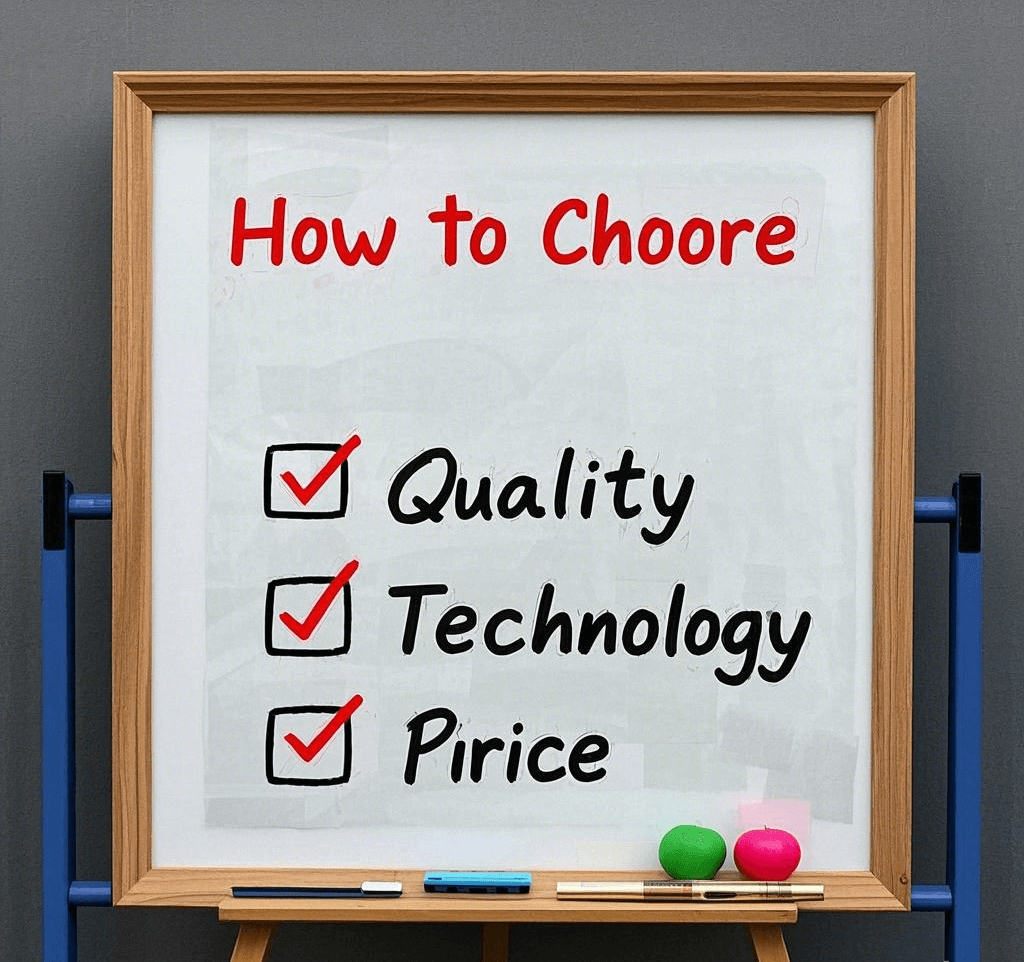
1. The Crucial Role of Choosing the Right Facial Mask Supplier
Rebranding a skincare line involves more than just a fresh logo or updated packaging; it requires a holistic approach that encompasses product quality, market positioning, and operational efficiency. Facial masks, being a staple in many skincare routines, play a pivotal role in defining your brand's identity and appeal. Selecting a reliable and high-quality facial mask supplier can significantly impact the success of your rebrand skincare efforts by ensuring that your products meet consumer expectations and stand out in a crowded marketplace.
A well-chosen supplier not only provides exceptional products but also contributes to your brand's innovation, cost management, and scalability. As you embark on the journey of rebranding products to sell, understanding the dynamics of supplier selection becomes indispensable for crafting a robust skincare business plan that supports your brand’s growth and sustainability.
2. Understanding the Market: Diverse Choices of Facial Mask Suppliers
Embarking on a rebrand skincare project requires a thorough understanding of the market landscape and the various types of facial mask suppliers available. This knowledge is foundational to making informed decisions that align with your brand’s vision and objectives. Here are the primary categories of facial mask suppliers:
OEM (Original Equipment Manufacturer)
OEM suppliers produce facial masks based on your specific formulations and design requirements. This partnership offers brands complete control over product development, allowing for customization in ingredients, packaging, and branding. OEM collaborations are ideal for brands that prioritize unique formulations and wish to maintain strict oversight over their product quality and brand integrity.
ODM (Original Design Manufacturer)
ODM suppliers go a step further by not only manufacturing but also designing and developing facial masks. They bring their expertise in product innovation and design to the table, offering ready-made solutions that can be tailored to fit your brand’s identity. ODM partnerships are beneficial for brands looking to introduce new and innovative products without the extensive R&D investment typically required.
Private Label Suppliers
Private label suppliers offer pre-formulated facial masks that brands can rebrand with their own packaging and labels. This option is suitable for brands aiming to enter the market quickly and cost-effectively. While private labeling allows for swift product launches, it may limit the degree of customization and differentiation from competitors.
Global Market Trends
The global landscape for facial mask suppliers is diverse, with significant contributions from regions like Asia—particularly China and South Korea. These markets are renowned for their advanced manufacturing capabilities, innovation in skincare technology, and competitive pricing. Additionally, there is a growing trend towards natural and sustainable ingredients, which is reshaping supplier offerings and consumer preferences. Brands must stay attuned to these trends to select suppliers that can deliver products aligned with current market demands and future growth opportunities.
3. Key Criteria for Selecting Facial Mask Suppliers
Choosing the right facial mask supplier involves evaluating several critical factors to ensure they align with your rebranding products to sell strategy and your overall skincare business plan. Here are the essential criteria to consider:
Product Quality
Quality is paramount in the skincare industry. Ensure that potential suppliers adhere to stringent quality control measures and possess relevant certifications such as ISO, GMP, or FDA approvals. High-quality products not only enhance your brand’s reputation but also foster customer loyalty and trust.
Production Capacity
Assess the supplier’s ability to scale production to meet your current and future demands. A supplier with robust production capabilities can accommodate fluctuations in order volumes, ensuring consistent product availability and timely deliveries, which are crucial for maintaining market momentum during and after the rebranding process.
Innovation and Customization
Innovation is a key differentiator in the skincare market. Choose suppliers who are proactive in developing new formulations, incorporating cutting-edge ingredients, and offering customizable options. A supplier’s ability to innovate will support your brand’s efforts in creating unique and effective products that resonate with your target audience.
Cost and Pricing Structure
Balancing cost and quality is essential for maximizing profitability. Evaluate suppliers based on their pricing structures, ensuring that you can achieve desired profit margins without compromising on product quality. Consider factors such as bulk pricing discounts, payment terms, and any additional costs related to customization or expedited production.
Delivery Timeliness
Reliable and timely delivery is critical for maintaining your product launch schedules and meeting consumer demand. Assess the supplier’s track record in meeting deadlines and their ability to manage logistics efficiently. Clear communication regarding lead times and shipping processes can help prevent delays that could negatively impact your rebranding timeline.
4. Evaluating Supplier Reliability and Reputation
A supplier’s reliability and reputation are key indicators of their ability to support your rebrand skincare initiatives successfully. Here are effective strategies for evaluating these aspects:
Customer Reviews and Feedback
Research customer reviews and testimonials to gain insights into the supplier’s performance and reliability. Positive feedback from existing clients is a strong indicator of a supplier’s capability to deliver consistently high-quality products and services.
Certifications and Credentials
Verify the supplier’s certifications and credentials to ensure they meet industry standards and regulatory requirements. Certifications like ISO, GMP, and FDA compliance demonstrate a commitment to quality and safety, which are non-negotiable in the skincare sector.
Industry Reputation
A supplier’s standing within the industry can provide valuable insights into their reliability and performance. Engage with industry forums, attend trade shows, and consult professional networks to gather information about the supplier’s reputation and market standing.
Site Visits and Audits
Conducting site visits and audits can provide a firsthand look at the supplier’s operations, manufacturing processes, and quality control systems. This due diligence helps verify the supplier’s capabilities and ensures they adhere to your standards and expectations.
Track Record and Case Studies
Review the supplier’s track record and examine case studies of their previous collaborations. A history of successful partnerships with reputable brands indicates a supplier’s ability to meet diverse requirements and handle complex projects effectively.
5. The Supplier Collaboration Process: From Selection to Long-Term Partnership
Establishing a successful partnership with a facial mask supplier involves a systematic collaboration process. Here’s a step-by-step guide to ensure a smooth transition from selection to long-term cooperation:
Initial Communication
Begin by reaching out to potential suppliers to discuss your rebrand skincare objectives and product requirements. Clearly articulate your brand’s vision, product specifications, and expectations to determine if the supplier can meet your needs.
Sample Testing
Request samples from shortlisted suppliers to evaluate the quality, efficacy, and packaging of their products. Conduct thorough testing to ensure that the samples meet your standards and align with your brand’s promises.
Contract Negotiation
Once you’ve identified a suitable supplier, negotiate the terms of the partnership. Ensure that the contract covers all critical aspects, including product specifications, pricing, delivery schedules, quality assurance, and intellectual property rights. A well-drafted contract safeguards your interests and sets clear expectations for both parties.
Quality Assurance and Control
Implement a robust quality assurance and control process to monitor the supplier’s performance continuously. Regular quality checks and audits help maintain product consistency and address any issues promptly, ensuring that your rebranding products to sell strategy remains on track.
Ongoing Communication and Feedback
Maintain open lines of communication with your supplier to foster a collaborative relationship. Provide regular feedback, share market insights, and discuss potential improvements to enhance product offerings and operational efficiency.
Long-Term Partnership Development
Focus on building a long-term partnership by aligning your business goals and working together on mutual growth initiatives. A strong, enduring relationship with your supplier can lead to better pricing, priority access to new products, and collaborative innovation efforts that drive your brand’s success.
6. Supplier’s Market Influence and Brand Strategy Integration
An exceptional facial mask supplier can significantly enhance your rebrand skincare strategy beyond just product quality. Their market influence and strategic capabilities can contribute to your brand’s overall success in several ways:
Supplier’s Brand Influence
Partnering with a well-regarded supplier can elevate your brand’s credibility and market perception. Suppliers with a strong reputation and industry presence can lend their prestige to your products, making them more appealing to consumers and increasing your brand’s trustworthiness.
Enhancing Brand Image
Collaborate with suppliers who share your brand’s values and commitment to quality. Their expertise and high standards can help you create products that not only meet but exceed consumer expectations, thereby enhancing your brand image and fostering customer loyalty.
Increasing Market Awareness
Suppliers with extensive market reach and strong distribution networks can assist in expanding your brand’s visibility. Leveraging their connections and industry insights can help you penetrate new markets, attract a broader audience, and boost your overall market presence.
Contributing to Strategic Planning
A knowledgeable supplier can provide valuable input during the development of your skincare business plan. Their insights into market trends, consumer preferences, and emerging technologies can inform your product development strategies and help you stay ahead of the competition.
7. Conclusion
Choosing the right facial mask supplier is a cornerstone of a successful rebrand skincare initiative. By thoroughly evaluating suppliers based on quality, capacity, innovation, cost, and reliability, and by fostering strong, collaborative partnerships, your brand can effectively execute its rebranding products to sell strategy and achieve sustained growth.
If you are ready to elevate your skincare brand and need expert guidance in selecting the best facial mask suppliers, contact our team today. We specialize in connecting brands with top-tier suppliers and providing strategic support to ensure your skincare business plan is poised for success.
Contact Us:
- Phone: +86-135-3871-7810
- Email: joshua@qinhanbiomask.com
8. Frequently Asked Questions (FAQ)
1. How Can I Choose a Facial Mask Supplier Globally?
When selecting a global facial mask supplier, consider factors such as their compliance with international quality standards, production capabilities, and ability to handle large-scale orders. Conduct thorough research, request samples, and evaluate their certifications (e.g., ISO, GMP) to ensure they meet your quality requirements. Additionally, assess their communication effectiveness and logistical capabilities to handle international shipping and distribution efficiently.
2. Can a Supplier Help Customize Facial Mask Products for My Brand?
Yes, many suppliers offer customization services, including tailored formulations, unique packaging designs, and personalized branding elements. Collaborate closely with your supplier to communicate your specific needs and preferences, ensuring that the final product aligns perfectly with your brand’s identity and market positioning.
3. Is It Possible to Work with a Supplier Without Placing Large Orders Initially?
Absolutely. Many suppliers are open to accommodating smaller initial orders, allowing you to test their products and services before committing to larger volumes. This approach minimizes risk and provides an opportunity to evaluate the supplier’s quality and reliability before scaling up your orders as your brand grows.
4. How Do I Ensure the Supplier’s Products Meet My Brand’s Standards?
To ensure that the supplier’s products meet your standards, implement a rigorous quality control process that includes sample testing, regular audits, and continuous monitoring of production batches. Clearly outline your quality expectations in the contract and maintain open communication with the supplier to address any issues promptly.
5. Do Facial Mask Suppliers Offer Eco-Friendly and Sustainable Options?
Many suppliers are increasingly offering eco-friendly and sustainable options to meet consumer demand for environmentally responsible products. Look for suppliers that use natural ingredients, sustainable packaging materials, and eco-friendly production processes. Discuss your sustainability goals with potential suppliers to ensure they can meet your environmental standards.
6. How Should I Manage Communication and Coordination with My Supplier?
Effective communication is key to a successful partnership. Establish clear communication channels, set regular check-ins, and use project management tools to keep track of orders, deadlines, and any issues that arise. Transparency and responsiveness from both parties will help maintain a smooth and productive working relationship.
7. What Are Typical Delivery Times for Custom Facial Masks?
Delivery times for custom facial masks can vary based on the complexity of the order, the supplier’s production capacity, and logistical factors. Generally, custom orders may take anywhere from 4 to 8 weeks. It’s essential to discuss and agree upon realistic timelines with your supplier during the negotiation phase to ensure that your rebranding schedule remains on track.
8. How Can I Evaluate the After-Sales Service of a Supplier?
Evaluate a supplier’s after-sales service by reviewing their responsiveness, problem-solving capabilities, and support offerings. Reach out to their existing clients for feedback, assess their policies on returns and refunds, and test their customer service by posing inquiries or issues to gauge their efficiency and helpfulness.
By following this comprehensive guide, you can confidently select the best facial mask supplier to support your rebrand skincare initiatives, ensuring that your rebranding products to sell strategy is built on a foundation of quality, reliability, and strategic partnership. Incorporate these insights into your skincare business plan to drive your brand’s success and achieve lasting growth in the competitive skincare market.
Guangzhou Qinhan Biotechnology Co., Ltd.
How to Start My Own Face Mask Business: A Comprehensive Guide
How to Effectively Market Facial Masks in Your Skincare Brand's Rebranding Strategy