How to Manufacture a Face Mask: A Step-by-Step Guide

Face masks have become an essential part of daily life for many people, whether it's for skincare, protection, or even fashion. Manufacturing face masks is a complex process that involves several key steps, from sourcing raw materials to the final packaging of the product. In this comprehensive guide, we’ll walk through the various stages of face mask manufacturing, focusing on how to create high-quality face masks for different purposes, including skincare and protective use.
Step 1: Understanding the Different Types of Face Masks
Before diving into the manufacturing process, it's crucial to understand the different types of face masks. Depending on the intended use, the materials and construction methods may vary significantly.
-
Skincare Face Masks: These are designed for cosmetic purposes, like moisturizing, brightening, or anti-aging. Ingredients like hyaluronic acid, aloe vera, and various botanical extracts are commonly used.
-
Protective Face Masks: These include masks used for health and safety, such as surgical masks, N95 respirators, and cloth masks. They’re made from nonwoven fabrics and are designed to filter out harmful particles.
For this article, we’ll focus on manufacturing skincare face masks, such as sheet masks and clay masks, but many of the principles can be applied to protective face mask manufacturing as well.
Step 2: Sourcing Materials
The quality of the face mask begins with the raw materials. The material selection is essential for both functionality and skin compatibility. For skincare face masks, the materials typically consist of:
-
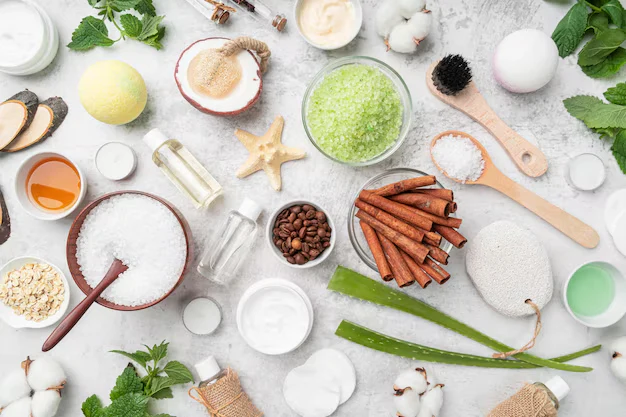
Mask Sheet Material: The sheet that holds the active ingredients, which could be fabric, cellulose, hydrogel, or cotton. The material needs to be breathable and capable of holding moisture effectively.
- Cotton Sheets: These are natural, soft, and gentle on the skin, making them suitable for sensitive skin types.
- Nonwoven Fabric: Common for sheet masks, offering durability and high absorption rates.
- Hydrogel Sheets: A newer option, designed to adhere closely to the skin and release ingredients more effectively.
-
Active Ingredients: Depending on the purpose of the face mask, the ingredients might include moisturizing agents like hyaluronic acid, anti-aging compounds like peptides, antioxidants like vitamin C, and natural extracts like aloe vera or tea tree oil.
-
Packaging Materials: The final product will need to be packaged in a way that protects the mask from contaminants and maintains its efficacy. Packaging materials should be airtight, lightproof, and possibly even eco-friendly to meet modern consumer expectations.
Step 3: Creating the Mask Sheet
Once you have your materials, the next step is creating the mask sheet itself. This step varies depending on whether you're creating a sheet mask or a clay mask.
For Sheet Masks:
-
Cutting and Shaping: The mask sheets must be cut into the appropriate shape and size. Most sheet masks are designed to cover the face, but they can also be made for specific areas like the eyes or neck.
-
Soaking in Solution: Once the sheet is cut, it’s soaked in a solution containing all the active ingredients. This is often done in a large batch to ensure that each mask is evenly coated.
-
Drying or Preserving: After soaking, the sheet is either air-dried (if it’s a hydrogel or cotton sheet) or placed in a vacuum-sealed package. Some manufacturers use a heat-sealing method to prevent the mask from drying out before use.
For Clay Masks:
-
Blending the Ingredients: Clay masks typically involve mixing powdered ingredients like kaolin or bentonite clay with water and various actives. The blending process must be done thoroughly to ensure a smooth and even consistency.
-
Packaging in Jars or Tubes: Once mixed, the clay mask is packaged in jars or squeeze tubes, ready for distribution. Manufacturers will often add preservatives to the mixture to prevent microbial growth.
Step 4: Quality Control
Before moving to the final stages of production, a thorough quality control process must be implemented. This ensures that each mask is safe, effective, and meets industry standards. Common quality control tests include:
- Ingredient Testing: Ensuring all active ingredients are present in the correct concentrations and that they are stable.
- Patch Testing: For skincare masks, conducting dermatological testing to ensure that the masks are safe for sensitive skin types.
- Physical Inspection: Checking the mask sheets for any defects, like tears or irregularities in soaking.
- Stability Testing: Ensuring the mask remains effective and safe over time, even when stored in various environmental conditions.
Step 5: Packaging and Labeling
After quality control, the next step is packaging and labeling the masks. This step involves several important sub-tasks:
-
Packaging Materials: For sheet masks, each individual mask is typically sealed in a foil pouch or plastic wrapper to keep it fresh. Clay masks are often placed in jars or tubes that are designed to be easy to use and reseal.
-
Labeling: The labeling process is critical for informing consumers about the product. Labels will include ingredients, usage instructions, expiry dates, and brand information. If the mask is for skincare, labeling should also highlight benefits like “hydrating,” “brightening,” or “anti-aging,” depending on the mask’s function.
-
Environmental Considerations: Today’s consumers are more environmentally conscious, so eco-friendly packaging is a growing trend. Many manufacturers are shifting to recyclable or biodegradable packaging to appeal to this market.
Step 6: Distribution and Marketing
Once the masks are packaged, they are ready for distribution. Depending on the target market, face masks can be sold directly to consumers through online stores, retail locations, or via beauty subscription boxes.
-
Marketing: Effective marketing is key to the success of face mask brands. Popular strategies include influencer marketing, partnerships with beauty salons, and promoting customer testimonials. Online content, tutorials, and social media campaigns can help spread awareness and boost sales.
-
Distribution Channels: Many face mask manufacturers sell through both B2C (direct to consumers) and B2B (selling to beauty retailers) channels. Logistics and shipping are important to ensure products reach customers in a timely manner.
Step 7: Ensuring Sustainability and Ethical Practices
Sustainability is becoming increasingly important in the beauty and skincare industry. Consumers are demanding more ethical production processes, including cruelty-free testing, sustainable ingredient sourcing, and eco-friendly packaging. By focusing on these aspects, manufacturers can not only create better products but also improve their brand reputation and appeal to a broader, more conscientious customer base.
Frequently Asked Questions (FAQ)
1. What ingredients should I look for in a face mask?
It depends on your skin type and the specific benefits you are looking for. For hydration, look for hyaluronic acid or glycerin. For brightening, vitamin C or niacinamide are common ingredients. For soothing, aloe vera or chamomile extracts are ideal.
2. How often should I use a skincare face mask?
Most skincare masks can be used 1-3 times per week, depending on your skin's needs and the type of mask. For example, hydrating masks can be used more frequently, while deep-cleansing masks should be used less often.
3. Are homemade face masks as effective as commercial ones?
Homemade face masks can be beneficial for certain skin concerns, but they often lack the concentrated ingredients and advanced formulations found in commercial face masks. Commercial masks are usually more effective due to their scientific formulation.
4. Are face masks suitable for all skin types?
Yes, face masks can be formulated for all skin types. There are specific masks designed for oily, dry, sensitive, or combination skin, so choosing the right mask for your skin type is crucial.
5. How do I choose the right face mask for my skin?
It depends on what your skin needs. For dry skin, choose hydrating masks; for acne-prone skin, look for masks with salicylic acid or clay; for aging skin, opt for masks with peptides or retinol.
6. Can face masks be used during pregnancy?
Some face masks contain ingredients like retinol or essential oils that are not recommended during pregnancy. Always check the ingredient list and consult your healthcare provider if you're unsure.
7. Can I use a face mask and a facial serum at the same time?
Yes, you can use a face mask and a serum together. It's often recommended to apply a serum after removing the mask to lock in the active ingredients. Just ensure the serum complements the mask’s benefits.
Conclusion
Manufacturing a face mask is a detailed process that involves selecting the right materials, creating a quality product, and ensuring that it meets safety and effectiveness standards. With the growing demand for skincare face masks, understanding the manufacturing process can help you appreciate the effort behind the products you use. Whether you’re a manufacturer, entrepreneur, or consumer, knowing how face masks are made gives you a deeper connection to the products you trust to nourish and protect your skin.
Are Facial Masks Good for Aging Skin
How to Sell Facial Masks: A Comprehensive Guide to Building a Successful Face Mask Business