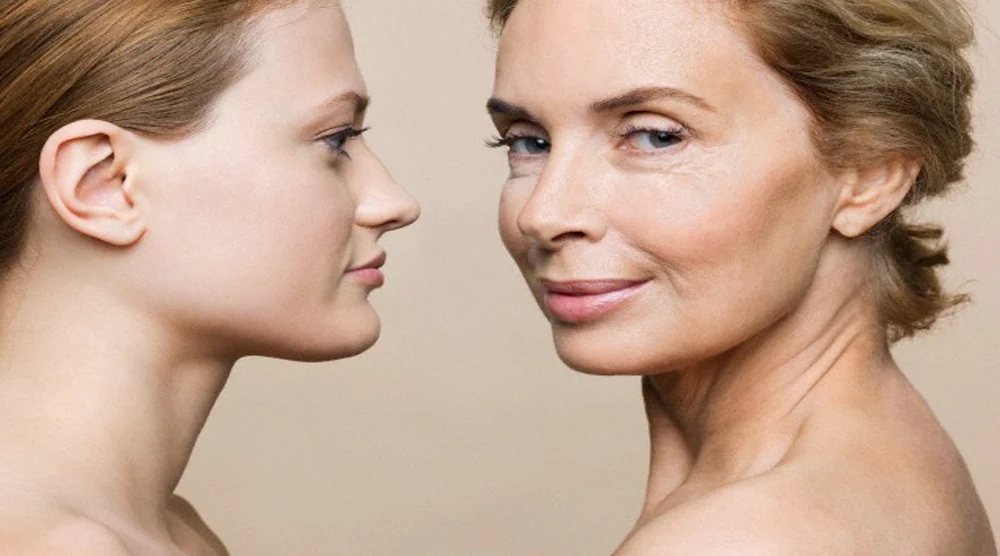
How to Use Black Tea for Skin

Black tea is not just a delicious beverage; it also boasts incredible benefits for your skin. Packed with nutrients and antioxidants, it can help rejuvenate and nourish your skin when applied topically. In this article, we’ll explore the nutritional components of black tea, its benefits for the skin, how it improves skin health, and the best ways to incorporate it into your skincare routine.
Nutritional Components of Black Tea
Black tea is rich in several vital compounds that can benefit the skin, including:
- Antioxidants (Polyphenols): Black tea is loaded with polyphenols, particularly theaflavins and catechins, which help fight free radicals that cause premature aging.
- Caffeine: While often associated with energy boosts, caffeine in black tea has anti-inflammatory properties, reducing puffiness and soothing the skin.
- Vitamins: Black tea contains vitamins like vitamin B2 (Riboflavin), vitamin C, and vitamin E, all of which contribute to skin repair, hydration, and protection from oxidative stress.
- Tannins: These naturally occurring compounds help to tighten skin and reduce the appearance of pores, providing a more youthful appearance.
These nutrients work together to protect and nourish your skin, making black tea a perfect ingredient for your skincare regimen.
Key Benefits of Black Tea for Skin
Using black tea in skincare can bring a multitude of benefits for your skin, including:
1. Anti-aging Properties
The antioxidants in black tea, particularly theaflavins, help neutralize free radicals that contribute to the breakdown of collagen and elastin. This results in fewer wrinkles and more elastic, youthful-looking skin.
2. Reduces Puffiness and Dark Circles
The caffeine in black tea has anti-inflammatory properties that help constrict blood vessels, reducing puffiness and the appearance of dark circles under the eyes.
3. Improves Skin Tone and Texture
Regular use of black tea helps to even out skin tone and texture. Its antioxidants promote cell turnover, giving the skin a smoother and more radiant look.
4. Soothes Irritated Skin
Black tea has a calming effect on inflamed or irritated skin, making it an ideal treatment for conditions like sunburn or minor rashes.
5. Fights Acne and Breakouts
Due to its antibacterial and anti-inflammatory properties, black tea helps prevent acne-causing bacteria from thriving on the skin. It also helps reduce the inflammation associated with breakouts.
How Black Tea Improves Skin Health
Black tea improves skin health in several key ways:
- Protects against UV damage: The polyphenols in black tea help protect the skin from UV rays, reducing the risk of sunburn and premature aging.
- Promotes blood circulation: When applied topically, black tea enhances blood flow to the skin, leading to improved oxygenation and nutrient delivery to the skin cells.
- Balances oil production: For those with oily skin, black tea helps regulate sebum production, preventing clogged pores and breakouts.
Incorporating black tea into your routine can help your skin look and feel healthier by reducing irritation, improving circulation, and balancing oil production.
Which Skin Types Benefit from Black Tea?
Black tea is suitable for most skin types, but its benefits are especially noticeable for:
- Oily Skin: Black tea helps control excess oil production, keeping the skin matte and preventing acne outbreaks.
- Aging Skin: The antioxidants in black tea combat signs of aging, such as wrinkles, fine lines, and sagging skin, by stimulating collagen production.
- Sensitive Skin: Black tea has soothing and anti-inflammatory properties, making it an excellent option for those with sensitive skin or conditions like rosacea.
- Acne-Prone Skin: The antibacterial properties of black tea make it an effective ingredient in fighting acne and blemishes.
While black tea is generally safe for most skin types, it’s essential to perform a patch test before using it extensively.
How to Use Black Tea in Skincare?
Black tea can be used in various ways for skincare, each offering different benefits. Here are some popular methods:
1. Black Tea Face Mask
A black tea mask is an excellent way to harness the full potential of black tea.
This mask will help rejuvenate the skin, tighten pores, and provide anti-aging benefits.
Learn about the Qinhan black tea bio-mask and experience the anti-aging effects brought to you by its black tea ingredients and unique bio-based materials.
2. Black Tea Toner
To make a toner, brew a strong black tea, let it cool, and apply it to your face using a cotton ball. This can be used daily to refresh the skin, minimize pores, and restore balance.
3. Black Tea Ice Cubes
Freeze brewed black tea in an ice cube tray and use the tea cubes to gently massage your face. This helps reduce puffiness and soothes the skin.
4. Black Tea Compress
Soak a soft cloth in cooled black tea and place it over your face for 10-15 minutes. This is particularly beneficial for soothing irritated or sunburned skin.
Comparing Black Tea to Other Skincare Ingredients
When compared to other common skincare ingredients, black tea holds a unique position:
- Black Tea vs. Green Tea: While both contain antioxidants, black tea is often more potent due to its higher levels of polyphenols, making it a stronger anti-aging ingredient.
- Black Tea vs. Green Tea Extract: Green tea extract is commonly used for its skin-soothing properties, but black tea has a more robust profile when it comes to reducing fine lines and wrinkles.
- Black Tea vs. Aloe Vera: Aloe vera is well-known for its cooling properties, while black tea offers more comprehensive skin benefits, such as enhanced blood circulation and oil regulation.
In short, black tea provides a broader range of skin benefits and can complement other ingredients like aloe vera and green tea in your skincare routine.
Potential Side Effects and Precautions
Though black tea is generally safe for most people, there are a few precautions to keep in mind:
- Allergic Reactions: Some individuals may experience allergic reactions to black tea, so it’s important to perform a patch test before applying it to larger areas of the skin.
- Dry Skin: For those with dry skin, excessive use of black tea may cause slight dryness, especially if used in a toner or mask. If this occurs, combine black tea with hydrating ingredients like honey or aloe vera.(The bio-based materials in the Qinhan black tea bio-mask have a hydrating effect and can be used with confidence.)
- Staining: Black tea can stain the skin if used in large quantities. Be cautious when applying it near areas like the under-eye region.
Overall, black tea is a gentle and beneficial skincare ingredient, but like any product, it’s important to monitor how your skin reacts.
Conclusion
Incorporating black tea into your skincare routine can offer a wide range of benefits, from reducing puffiness and acne to fighting signs of aging and soothing irritated skin. By using black tea as a face mask, toner, or compress, you can easily unlock its full potential for healthier, more vibrant skin. As with any skincare product, always perform a patch test to ensure compatibility with your skin type.
FAQs
1. Can I use black tea directly on my face?
Yes, you can use brewed black tea as a toner or compress. It helps to balance oil production and reduce inflammation.
2. How often should I use black tea on my skin?
You can use black tea on your skin 2-3 times a week, depending on your skin type and the product you're using.
3. Does black tea help with acne?
Yes, black tea has antibacterial and anti-inflammatory properties that help reduce acne and prevent future breakouts.
4. Can black tea lighten dark spots?
Yes, the antioxidants in black tea can help brighten the skin over time, reducing the appearance of dark spots and discoloration.
5. Can I use black tea for under-eye bags?
Yes, the caffeine in black tea can reduce puffiness and dark circles under the eyes.
6. Is black tea good for sensitive skin?
Yes, black tea is generally safe for sensitive skin and can help soothe irritation, but always perform a patch test first.
Why are rose skincare products so popular?
Understanding Skin Spots and How to Address Them