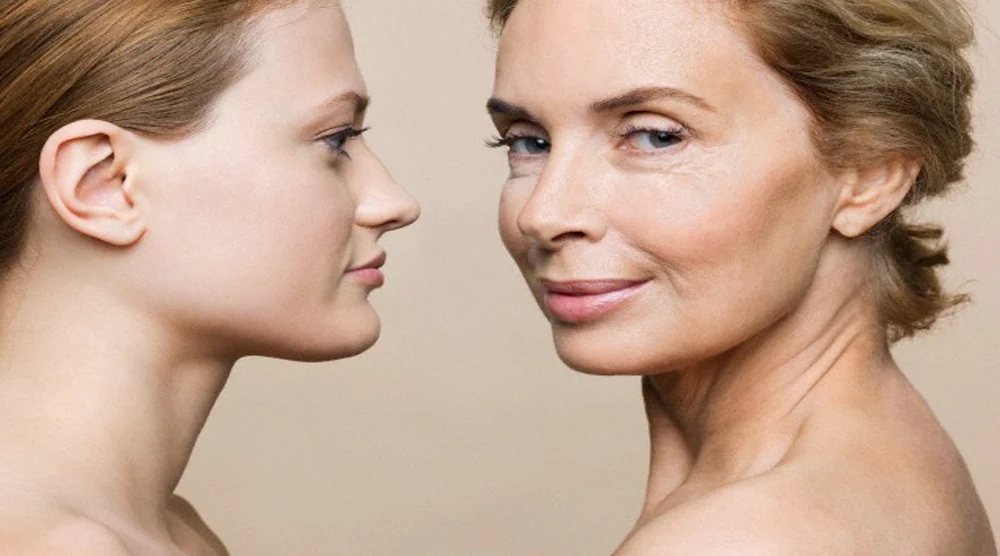
Introduction to the Use of Mud in Facial Masks
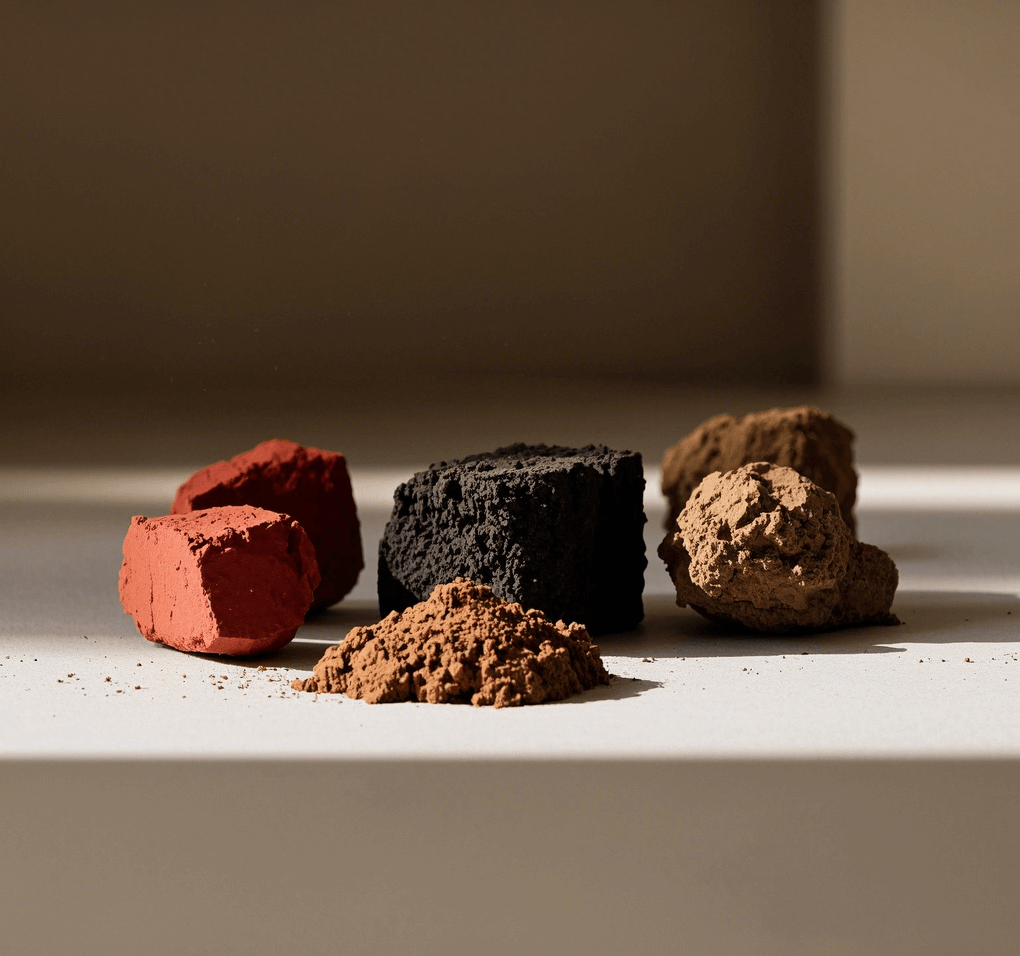
Mud masks have been an essential part of skincare for centuries, harnessing the power of natural minerals and earth elements to treat and nourish the skin. These masks, made from various types of mud and clay, provide deep cleansing, detoxification, and hydration. In this article, we'll explore the scientific principles behind mud masks, how they work on the skin, and why they're so effective.
Scientific Principles Behind Mud Masks
1. What Are Mud Masks?
Mud masks are skincare products made from various types of natural mud and clay. These masks are designed to cleanse, exfoliate, and hydrate the skin. They contain ingredients that help absorb excess oils, clear pores, and restore the skin’s natural balance of oils. Mud masks offer deep cleansing benefits by removing impurities from the skin, exfoliating dead cells, and hydrating the skin for a fresher, smoother appearance.
2. Why Are Mud Masks Effective?
Mud is rich in minerals like magnesium, calcium, and potassium, which help balance the skin’s natural oils, absorb excess sebum, and cleanse pores. These minerals also promote skin cell regeneration, making the skin look rejuvenated. Additionally, the natural absorption properties of mud allow it to draw out toxins and impurities from the skin, providing a thorough detoxification. After using a mud mask, the skin regains its natural oil balance, and the texture becomes smoother and more refined.
Common Types of Mud Used in Masks
There are various types of mud available for skincare, each with its own unique benefits. Let’s dive into the most popular types of mud and their specific skincare advantages.
1. Dead Sea Mud
Benefits:
- Rich in Minerals: Dead Sea mud is known for its abundance of minerals like magnesium, calcium, and sodium, which nourish the skin, leaving it soft and hydrated.
- Detoxifying: It helps to deeply cleanse the skin, removing toxins and impurities to maintain a fresh appearance.
- Improves Skin Tone and Texture: Long-term use of Dead Sea mud can help even out skin tone and improve skin texture.
2. Moroccan Rhassoul Clay (Ghassoul Mud)
Benefits:
- Absorbs Excess Oil: Rhassoul clay is ideal for oily and acne-prone skin because it effectively absorbs excess oil and helps to clear pores.
- Improves Skin Elasticity: This clay helps improve skin elasticity, leaving the skin feeling firmer and more toned.
- Nourishes the Skin: It is rich in silica, which nourishes the skin and provides deep hydration.
3. French Green Clay
Benefits:
- Purifying and Detoxifying: French Green Clay is rich in minerals and has natural detoxifying properties that help to deeply cleanse the skin.
- Promotes Circulation: Using this clay improves blood circulation, which gives the skin a more vibrant and refreshed look.
- Anti-inflammatory: It helps soothe irritated or inflamed skin, making it ideal for sensitive or acne-prone skin.
4. Bentonite Clay
Benefits:
- Deep Pore Cleansing: Bentonite clay is great for removing toxins and impurities from the skin, making it perfect for clearing clogged pores.
- Balances Oil Production: It helps regulate sebum production, making it beneficial for oily skin types.
- Reduces Acne: By absorbing impurities, Bentonite clay can help reduce acne and prevent new breakouts.
5. Pink Clay
Benefits:
- Gentle Exfoliation: Pink clay, a mixture of red clay and white clay, is gentle and fine, making it suitable for sensitive skin.
- Improves Skin Tone: It helps to brighten the complexion and improve the skin's texture by gently removing dead skin cells.
- Hydrating: Pink clay helps retain moisture from the air, keeping the skin hydrated and soft.
6. Volcanic Ash Clay
Benefits:
- Exfoliates and Detoxifies: Volcanic ash clay is perfect for exfoliating dead skin cells and promoting a smoother, fresher complexion.
- Rich in Antioxidants: It contains powerful antioxidants that help protect the skin from environmental stress and premature aging.
- Stimulates Circulation: The minerals in volcanic ash clay help improve blood circulation, giving the skin a brighter, more youthful appearance.
7. Glacier Clay
Benefits:
- Deep Cleansing and Oil Control: Glacier clay penetrates deep into the pores to remove excess oil and impurities, helping to regulate oil production.
- Soothing and Calming: It has anti-inflammatory properties that help soothe sensitive, red, or inflamed skin.
- Hydrating: The minerals in glacier clay nourish the skin, keeping it hydrated, soft, and smooth.
How to Choose the Right Mud Mask for Your Skin Type?
Choosing the right mud mask depends on your skin type. Here’s a guide to selecting the ideal mud mask for your skin:
1. Oily Skin
Mud masks such as Bentonite Clay, Glacier Clay, and Moroccan Rhassoul Clay are perfect for oily skin. These types of clay help absorb excess oil, clean out clogged pores, and control shine.
2. Dry Skin
For dry skin, opt for Dead Sea Mud, Glacier Clay, or Pink Clay masks. These clays provide hydration and restore moisture balance, ensuring that your skin doesn’t feel tight or dehydrated.
3. Sensitive Skin
For sensitive skin, Pink Clay and Glacier Clay are excellent choices. These clays are gentle, soothing, and help calm irritation and inflammation while promoting skin health.
4. Acne-Prone Skin
Bentonite Clay and Volcanic Ash Clay are excellent for acne-prone skin. They provide deep cleansing, absorb excess oil, and draw out impurities, helping to reduce acne and prevent future breakouts.
How to Incorporate Mud Masks into Your Skincare Routine?
1. Frequency of Use
- Regular Mud Masks: Use mud masks 1-2 times a week. Oily skin or acne-prone skin may benefit from more frequent use, while dry skin types should use them once a week.
- Biological Mud Mask Sheets: These masks combine mud with biopolymer sheets that can be applied directly to the face. Suitable for all skin types, they can be used daily.
2. Preparation Before Application
- Regular Mud Masks: Before applying a mud mask, cleanse your face thoroughly to remove dirt, oil, and makeup. This will help the mask penetrate better and provide optimal results.
- Biological Mud Mask Sheets: These masks are activated in water and can be directly applied without additional steps. Even if you're wearing makeup, you can still use these masks.
Frequently Asked Questions
1. Are mud masks suitable for sensitive skin?
Most mud masks are suitable for sensitive skin, but it's important to choose gentle types of clay, such as Pink Clay or French Green Clay, to avoid irritation.
2. Can mud masks be used frequently?
Regular mud masks should be used 1-2 times a week. Overuse can lead to dryness or irritation. Biological Mud Mask Sheets can be used daily for all skin types.
3. Why does my skin feel dry after using a mud mask?
Mud masks absorb excess oils, so they may leave your skin feeling a bit dry. To counteract this, apply a moisturizer afterward, or choose hydrating masks like Glacier Clay.
Conclusion
Mud masks are a powerful addition to any skincare routine, offering a variety of benefits tailored to different skin types. By choosing the right type of mud for your skin, you can enjoy deep cleansing, hydration, and rejuvenation. Remember to adjust the frequency of use based on your skin’s needs, and combine mud masks with other skincare steps for the best results.
Sea Buckthorn in Skin Care
The Science Behind Skin Barrier Repair and Sensitive Skin Solutions