The Differences Between 3 Types of Ceramides: Using the Wrong One Could Destroy Your Skin Barrier
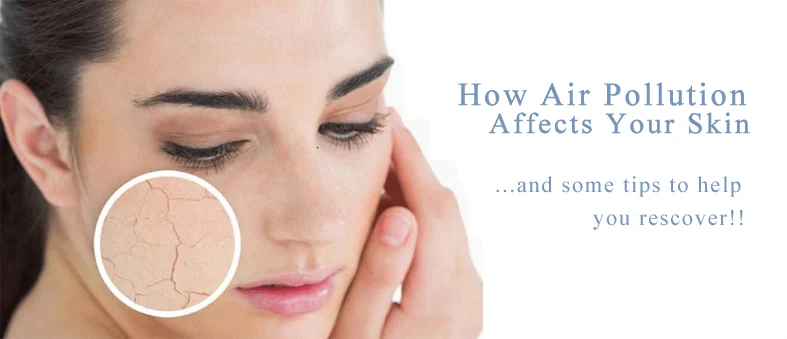
Your skin barrier is your body’s first line of defense against pollution, bacteria, and moisture loss. When it’s compromised, you experience dryness, irritation, redness, and even accelerated aging. One of the most critical components of a healthy skin barrier? Ceramides.
But here’s the catch—not all ceramides are the same. In fact, using the wrong type could do more harm than good, leaving your skin more vulnerable than ever.
What Are Ceramides, and Why Do They Matter?
Ceramides are lipid molecules that make up nearly 50% of your skin’s barrier. Think of them as the "mortar" between your skin’s "bricks" (corneocytes). They lock in moisture, protect against environmental aggressors, and keep your skin plump and resilient.
However, not all ceramides function identically. There are 12 known types, but three are most crucial for skin health: Ceramide 1, Ceramide 3, and Ceramide 6-II. Using the wrong one—or worse, a cheap synthetic substitute—can disrupt your skin’s natural balance instead of repairing it.
Ceramide 1 (Ceramide EOS): The Moisture-Locking Powerhouse
What It Does:
Ceramide 1 is the longest-chain ceramide, making it exceptionally effective at sealing in hydration. It forms a protective layer that prevents transepidermal water loss (TEWL), keeping your skin dewy and supple for longer.
Signs You’re Deficient:
-
Extreme dryness (even with heavy moisturizers)
-
Flaky or scaly patches
-
Premature fine lines from dehydration
Who Needs It Most?
-
People with chronically dry or mature skin
-
Those living in cold, arid climates
-
Anyone recovering from over-exfoliation or retinoid irritation
The Risk of Getting It Wrong:
Some brands use fake ceramides (like ceramide precursors) that don’t provide the same long-term barrier support. If your skin still feels tight and parched after applying a "ceramide cream," you might be using a low-quality formula.
Ceramide 3 (Ceramide NP): The Repair Specialist
What It Does:
Ceramide 3 is the most abundant in the skin and plays a critical role in barrier repair. It helps rebuild damaged skin, reduces redness, and strengthens resilience against irritants.
Signs You’re Deficient:
-
Sensitivity to products that never bothered you before
-
Persistent redness or rosacea-like flare-ups
-
Slow healing after breakouts or irritation
Who Needs It Most?
-
Those with eczema, psoriasis, or rosacea
-
People who overuse acids, retinoids, or physical exfoliants
-
Anyone with reactive or easily inflamed skin
The Risk of Getting It Wrong:
Many "barrier repair" creams contain only Ceramide 3 but lack the other essential lipids (like cholesterol and fatty acids). For true repair, you need a 3:1:1 ratio of ceramides, cholesterol, and free fatty acids—otherwise, your barrier won’t heal properly.
Ceramide 6-II (Ceramide AP): The Exfoliation Balancer
What It Does:
Ceramide 6-II supports cell turnover and hydration in the deeper layers of the skin. Unlike Ceramide 1 and 3, which focus on surface-level protection, this ceramide ensures that new skin cells form correctly, preventing clogged pores and uneven texture.
Signs You’re Deficient:
-
Rough, bumpy texture (even with regular exfoliation)
-
Congestion and small clogs along the jawline/cheeks
-
Dullness that won’t go away with AHAs/BHAs
Who Needs It Most?
-
People using strong exfoliants or acne treatments
-
Those with keratosis pilaris or uneven skin tone
-
Anyone experiencing rebound dryness from over-exfoliation
The Risk of Getting It Wrong:
If you’re using only exfoliants without replenishing Ceramide 6-II, your skin will keep producing weak, disorganized cells—leading to more breakouts and irritation.
The Biggest Ceramide Mistake You’re Probably Making
Most skincare brands don’t use the right ceramide combinations—or worse, they use synthetic fillers that mimic ceramides but don’t function the same way. Here’s how to avoid the pitfalls:
1. Don’t Fall for "Ceramide-Infused" Marketing
A product claiming to have ceramides might only contain trace amounts. Check the ingredient list: Ceramide 1 (EOS), Ceramide 3 (NP), and Ceramide 6-II (AP) should be in the top half of the formula.
2. Look for the 3:1:1 Ratio
For true barrier repair, your moisturizer should contain:
-
3 parts ceramides
-
1 part cholesterol
-
1 part fatty acids
(Missing any of these? It won’t work as effectively.)
3. Avoid Alcohol-Based Ceramide Products
Alcohol (especially denatured alcohol) breaks down ceramides over time, rendering them useless. Opt for creams or serums instead of toners with high alcohol content.
The Best Way to Rebuild Your Skin Barrier
If your barrier is already damaged, you need a targeted approach:
-
Morning:
-
Cleanse with a lipid-rich, non-foaming wash
-
Apply a ceramide serum with all 3 types
-
Seal with a moisturizer containing the 3:1:1 ratio
-
-
Night:
-
Skip harsh actives (retinoids, acids) until your skin recovers
-
Use a ceramide-based sleeping mask to accelerate healing
-
-
Long-Term Maintenance:
-
Once your barrier is restored, keep using ceramides daily to prevent future damage.
-
Final Warning: Your Skin Can’t Afford the Wrong Ceramides
Using the wrong ceramide—or a poorly formulated product—can worsen dryness, sensitivity, and inflammation. Don’t gamble with your skin barrier.
The solution?
-
Identify which ceramide(s) your skin needs (dryness? irritation? texture?)
-
Choose products with the correct 3:1:1 ratio
-
Avoid alcohol-heavy formulas that degrade ceramides
Your skin’s health depends on these tiny lipid molecules. Choose wisely—or risk a barrier breakdown that takes months to fix.
Ready to heal your skin? Check your moisturizer’s ingredients now before the damage becomes irreversible.
5 ‘Common Sense’ Skincare Steps Dermatologists Always Skip
Oily or Dry? Why Your Skin Type Might Be a Myth (And What Actually Matters)