
The Science Behind Skin Barrier Repair and Sensitive Skin Solutions
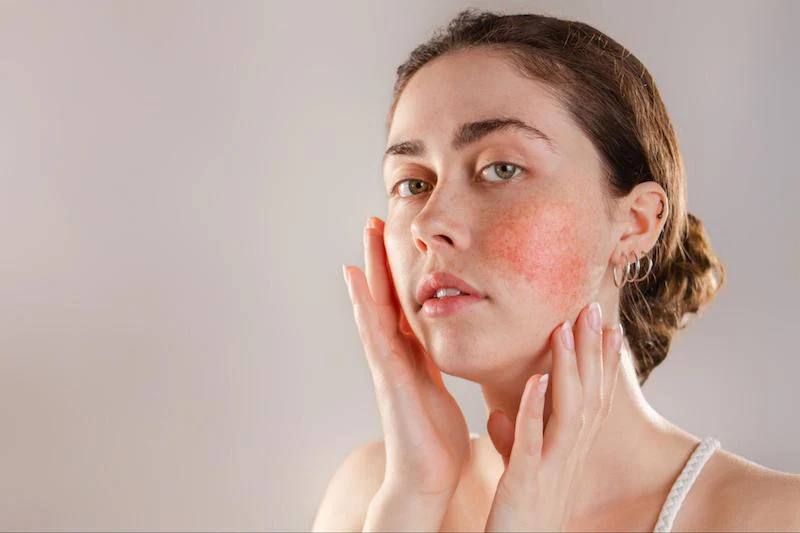
Have you ever experienced skin redness, itching, or rashes?
At a microscopic level, skin barrier function is often disrupted when these skin issues occur. So, what does a healthy skin barrier look like, and what happens when it becomes damaged? Let’s take a closer look.
The outermost barrier of the skin is the stratum corneum, which plays a critical role in skin defense, particularly in preventing water and electrolyte loss, also known as the osmotic barrier function. This function is achieved by the multi-layer bilayer structure of intercellular lipids in the stratum corneum, providing both osmotic barrier and protective effects. The protective functions of the stratum corneum include:
- Osmotic barrier
- Regulation of inflammation
- Cell adhesion
- Antimicrobial function
- Mechanical protection (e.g., impact, pressure)
- Protection from harmful chemicals
- Moisture retention
- UV protection
- Sensory function
When the skin is excessively exposed to these factors, the feedback mechanism of the skin barrier can no longer keep up with the energy consumption, leading to increased transdermal water loss, resulting in dryness and damage.
In response to external aggressors, the epidermis activates a compensatory mechanism to quickly restore normal barrier function. This process involves replenishing the lipids in the stratum corneum.
This structure is known as the "brick wall structure", with "bricks" (dead corneocytes) tightly bound to "mortar" (physiological lipids).
Composition of Intercellular Lipids in the Stratum Corneum
The bilayer membrane of intercellular lipids in the stratum corneum is primarily derived from the lipid components secreted by lamellar bodies in the epidermis, including ceramides, phospholipids, free fatty acids, and cholesterol. These components form the essential lamellar membrane with the following characteristics:
- Strong hydrophobicity
- The lipid content in the stratum corneum is proportional to the number of layers of the lamellar membrane
- The molar ratio of ceramide: cholesterol: free fatty acids is approximately 1:1:1
Differences Between Physiological and Non-Physiological Lipids
- Non-physiological lipids (such as petroleum jelly, lanolin, squalene, etc.) cannot penetrate below the stratum corneum and only permeate the corneocytes, forming non-lamellar structures. They mainly serve as a barrier to water diffusion, reducing water loss but not completely preventing it.
- Physiological lipids can form bilayer membranes through cell division and secretion, which effectively prevent water loss, though this process is slower.
Advantages of Non-Physiological Lipids
Non-physiological lipids can temporarily repair the barrier without distinguishing the type of damage. They also have benefits such as moisturizing, anti-inflammatory, and water-repellent properties. While they are not part of the lamellar membrane, they complement physiological lipids and can be used together for enhanced repair effects.
How to Repair a Damaged Skin Barrier:
- Reduce the use of harsh cleansing or high-potency skincare products to minimize irritation.
- Supplement with non-physiological lipids: Use single or multiple non-physiological lipids (such as petroleum jelly) to temporarily restore the barrier function, but this cannot correct skin function abnormalities.
- Use dressings: Apply appropriate dressings, such as thick creams or collagen-based dressings, to protect and repair the skin.
Qinhan Sensitive Repair Biological Mask
This mask is made of natural gel bio-dressing, known as "artificial skin," and is commonly used in burn and scald treatment. Its mild ingredients are rich in repairing components that help restore the skin barrier.
One of the causes of skin barrier damage is the frequent use of high-concentration or potent skincare products, which can disrupt the secretion of physiological lipids. Therefore, when choosing skincare products, it is important to prioritize moisturizing formulations based on your skin's condition.
Introduction to the Use of Mud in Facial Masks
Essential Skin Care Regimen for Women in Their 30s