What are the Main Challenges in Sourcing High-Quality Face Masks for Resale?

In recent years, face masks have become a crucial part of daily personal care routines. Whether it’s a hydrating sheet mask, a soothing clay mask, or a detoxifying charcoal treatment, face masks serve as an essential skincare tool for maintaining healthy, glowing skin. As the demand for face masks continues to grow, especially within the beauty and skincare industry, resellers and businesses face increasing challenges when sourcing high-quality products to meet this demand.
If you're considering entering the face mask market or expanding your current business, understanding these challenges and how to overcome them is critical for success. In this article, we will explore the key difficulties encountered when sourcing face masks for resale, and how to navigate them effectively, while ensuring that the products you offer meet consumer expectations.
1. Quality Control and Product Authenticity
One of the primary challenges in sourcing face masks is ensuring product quality and authenticity. There are many manufacturers worldwide that produce face masks, but not all of them maintain the same high standards of production. For resellers, it’s essential to establish relationships with reliable suppliers who prioritize quality control.
Quality checks should include verifying the sourcing of ingredients, ensuring products are dermatologically tested, and confirming that the manufacturing process adheres to relevant industry standards. Without these safeguards in place, resellers risk selling face masks that could potentially cause skin irritation or harm to customers.
Solution:
Work only with suppliers who have a proven track record of providing high-quality skincare products. Seek out reputable manufacturers who comply with international regulations and have certifications to support their claims, such as Good Manufacturing Practice (GMP) or ISO certifications. Additionally, requesting samples before committing to large orders will allow you to assess the product’s quality firsthand.
2. Pricing and Profit Margins
While the demand for face masks is high, the market is also highly competitive. Resellers often struggle with finding the right balance between sourcing products at a competitive price and maintaining a healthy profit margin. Wholesale prices can vary widely depending on the quality, materials, and brand reputation of the face masks. At the same time, customers expect affordable prices, especially for everyday skincare products like face masks.
Solution:
Research your target market thoroughly to understand what consumers are willing to pay for different types of masks. Factor in the cost of production, shipping, and any potential customs duties when determining your selling price. To maximize profit margins, consider offering value bundles, promotions, or exclusive sets that attract buyers without compromising your overall revenue.
3. Supplier Reliability and Shipping Challenges
Reliability and timely delivery are key components of any successful e-commerce business. If your supplier faces delays or is unable to meet your order volume, you could face stock shortages or backorders, which can negatively impact your customer experience. Furthermore, international shipping can add additional complications, such as customs delays, damaged products, and rising shipping costs.
Solution:
Establish clear communication channels with your suppliers to ensure that you are always aware of the production and shipping status. If possible, work with suppliers who offer real-time tracking and support. You should also consider working with multiple suppliers in case one faces delays, allowing you to keep your inventory levels consistent.
4. Regulatory Compliance and Safety Standards
The skincare industry is heavily regulated to protect consumer safety. Different regions have specific regulations regarding what ingredients are allowed, what claims can be made on packaging, and how products should be tested for safety. For example, the European Union has stringent regulations on cosmetic products, including face masks, and the United States has the FDA overseeing skincare and beauty products.
Failure to comply with these regulations can result in fines, product recalls, or legal liabilities.
Solution:
Before placing an order, make sure your supplier provides documentation confirming that their face masks meet the required standards in the target market. In many cases, this could include safety testing reports, ingredient disclosures, and certification of compliance with regulatory bodies. Regularly review and stay updated on the latest regulations in your selling region to avoid potential compliance issues.
5. Packaging and Branding Challenges
Packaging plays a significant role in the appeal of face masks, especially for online shoppers who rely heavily on product images and descriptions. Additionally, with so many brands and types of face masks available, packaging must be eye-catching and communicate the quality and benefits of the product clearly. However, developing or sourcing attractive, functional, and eco-friendly packaging can add complexity and additional costs to your sourcing process.
Solution:
Focus on sourcing eco-friendly packaging materials that align with current consumer trends. Many customers prefer sustainable packaging, such as biodegradable or recyclable materials. Moreover, packaging should be user-friendly, ensuring that the product is easy to use and transport without compromising its effectiveness.
Consider collaborating with designers to create a unique and recognizable brand for your products. This will help differentiate your face masks from competitors in a crowded marketplace. Also, remember that branding extends beyond the packaging; the narrative and marketing around the product should resonate with the target audience.
6. Consumer Expectations and Trends
The face mask market is constantly evolving, and staying on top of consumer preferences and skincare trends is vital. With the rise of clean beauty, cruelty-free products, and vegan formulations, consumers are becoming more discerning about the products they use on their skin. Face masks that cater to these trends are in high demand, but sourcing products that match these preferences can be tricky.
Solution:
Regularly monitor the latest beauty trends and customer feedback to keep up with the evolving demands of the skincare market. Social media platforms, beauty influencers, and skincare blogs are valuable resources for understanding current trends. Offering products that are cruelty-free, vegan, and free from harmful chemicals can help you tap into a growing market of conscious consumers.
7. Market Saturation and Differentiation
The beauty market, including face masks, is crowded with both established brands and new entrants. This can make it difficult for new businesses to differentiate their products. The saturation of the market means that customers are bombarded with choices, making it challenging for resellers to stand out from the competition.
Solution:
Focus on identifying unique selling points (USPs) that make your face masks different from others. This could involve offering a specialized formulation, providing multi-functional products (e.g., masks that hydrate and exfoliate), or emphasizing unique ingredients that are not commonly used in other products. You could also leverage customer testimonials and reviews to build trust and showcase the effectiveness of your face masks.
Frequently Asked Questions (FAQ)
1. How do I know if a face mask is suitable for sensitive skin?
To ensure that a face mask is safe for sensitive skin, check the ingredient list for any potential irritants, such as fragrances or alcohol. Opt for masks that are specifically labeled as "gentle" or "suitable for sensitive skin." Additionally, look for products that contain soothing ingredients like aloe vera, chamomile, or oat extract.
2. Are all face masks vegan and cruelty-free?
No, not all face masks are vegan or cruelty-free. To find these products, look for certifications such as the "Leaping Bunny" logo or check for specific vegan claims on the packaging. Many brands are increasingly offering cruelty-free and vegan options, so it's essential to do your research when sourcing products.
3. What is the shelf life of a face mask?
The shelf life of a face mask varies depending on its ingredients and packaging. Most products have a shelf life of around 1-3 years. Check for expiration dates on packaging, and ensure the face mask is stored in a cool, dry place to extend its freshness. Once opened, most masks should be used within a few months.
4. How often should I use a face mask for best results?
The frequency of face mask use depends on the type of mask and your skin’s needs. Hydrating masks can typically be used 2-3 times a week, while exfoliating or detoxifying masks may be better suited for weekly use. Overuse can lead to irritation, so it’s important to follow the directions on the packaging.
5. Can face masks replace regular skincare routines?
Face masks are meant to complement, not replace, your regular skincare routine. They can provide targeted treatments for specific skin concerns, but they should be used alongside cleansers, toners, and moisturizers. A balanced skincare regimen is essential for maintaining healthy skin.
6. What ingredients should I avoid in face masks?
Common irritants to avoid in face masks include synthetic fragrances, parabens, sulfates, and alcohol. These ingredients can strip the skin of moisture or cause allergic reactions. Always check the ingredient list, especially if you have sensitive skin or allergies.
7. How can I market face masks effectively to customers?
To effectively market face masks, focus on their benefits and the problems they solve for customers. Use social media platforms and influencer collaborations to generate buzz. Offering promotions, such as buy-one-get-one-free deals, can also drive sales. Highlight the ingredients and unique selling points (USPs) of your face masks to differentiate them from competitors.
8. What should I do if a customer reports an allergic reaction to a face mask?
If a customer reports an allergic reaction, offer a sincere apology and request a detailed description of the reaction. Consider offering a refund or replacement. Additionally, encourage them to consult with a dermatologist if necessary. It’s essential to take any adverse reactions seriously and ensure that your product labeling includes proper warnings for sensitive skin.
Conclusion
Sourcing high-quality face masks for resale comes with its set of challenges, but by addressing issues such as quality control, pricing, supplier reliability, and market differentiation, you can successfully navigate this competitive market. With the right approach and a focus on consumer needs, your business can thrive in the growing face mask industry, providing customers with products they trust and love.
By staying informed, working with reputable suppliers, and understanding market trends, you can position yourself as a leading player in the face mask space and meet the demands of today's skincare-conscious consumers.
Guangzhou Qinhan Biotechnology Co., Ltd.
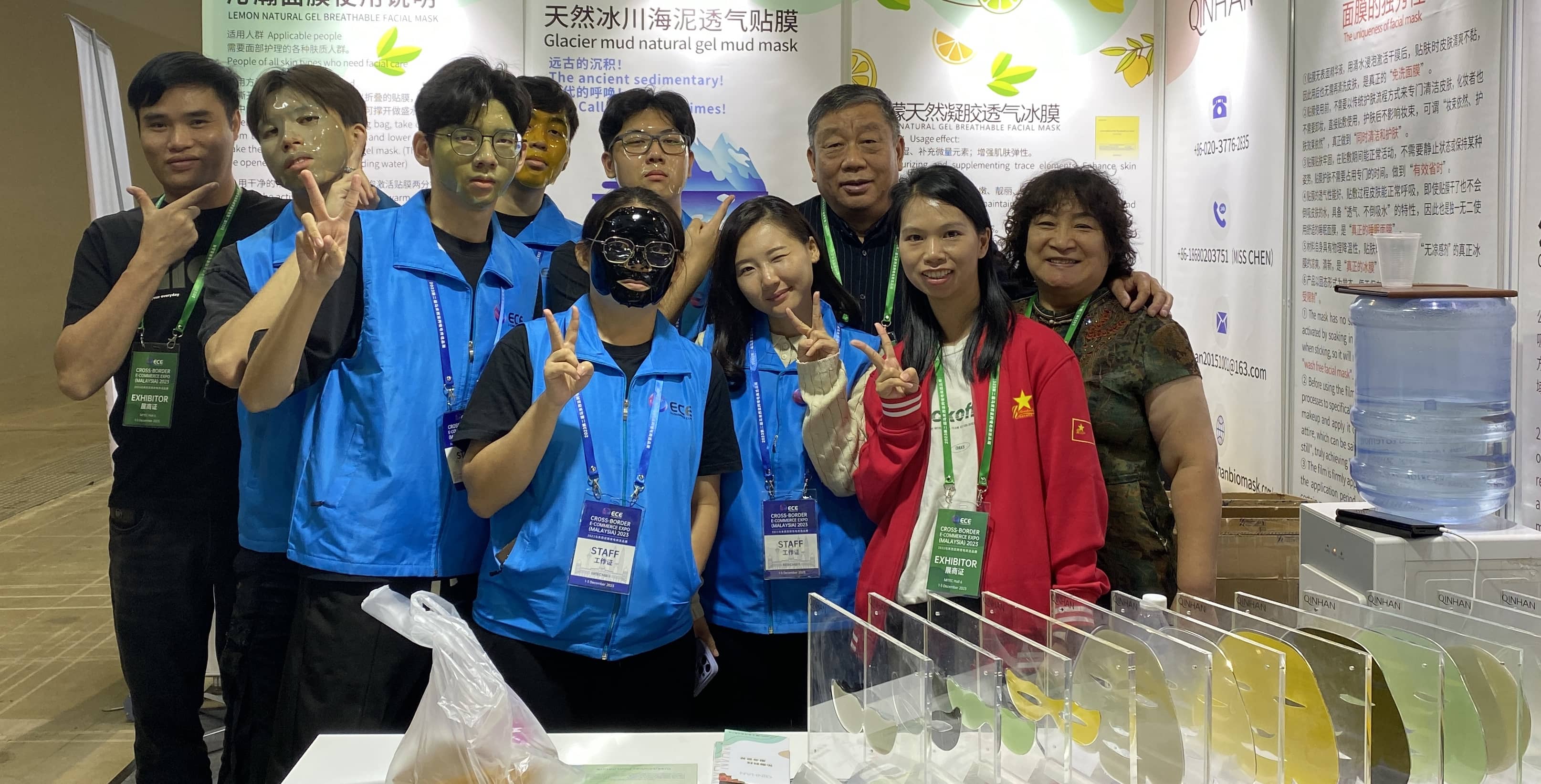
Guangzhou Qinhan Biotechnology Co., Ltd. recently participated in an exhibition held in Malaysia. The exhibition aimed to showcase the exhibitors' innovative thinking and technological capabilities in the field of bio-masks.