What Are the Most Popular Face Mask Ingredients That Consumers Are Looking For?
Face masks have become a staple in modern skincare routines, offering targeted solutions for various skin concerns. With the increasing demand for high-quality, effective products, consumers are becoming more discerning about what they apply to their skin. In particular, the ingredients in face masks are now a key factor in their purchasing decisions. But what are the most popular face mask ingredients that are trending in 2025?
In this article, we will explore the face mask ingredients that have captured the attention of skincare enthusiasts and why these components are essential for healthy, glowing skin. We will also address some frequently asked questions (FAQs) to guide you in selecting the best face mask for your specific skincare needs.
Top Face Mask Ingredients to Look for in 2025
When it comes to choosing the right face mask, the ingredients make all the difference. Whether you're looking to hydrate, exfoliate, or soothe your skin, certain ingredients can target your specific concerns and provide noticeable improvements. Here are the top face mask ingredients that consumers are seeking in 2025:
1. Hyaluronic Acid
What it is: Hyaluronic acid is a powerful humectant that draws moisture into the skin. It's naturally found in the body and helps maintain skin hydration.
Why it's popular: Hyaluronic acid is well-loved for its ability to hydrate the skin without making it feel greasy. It's perfect for those with dry or dehydrated skin and is often found in hydrating face masks. The ingredient helps plump the skin and reduce the appearance of fine lines, leaving the skin feeling refreshed and radiant.
Benefits:
- Deep hydration
- Plumping effect
- Reduces the appearance of fine lines and wrinkles
2. Vitamin C
What it is: Vitamin C, also known as ascorbic acid, is a powerful antioxidant that helps brighten the skin, improve skin texture, and even out skin tone.
Why it's popular: Vitamin C has become one of the most sought-after ingredients for those looking to brighten their complexion and fight hyperpigmentation. Face masks with vitamin C are highly effective in rejuvenating dull, tired-looking skin and protecting it from environmental stressors, such as pollution and UV rays.
Benefits:
- Brightens and evens out skin tone
- Fights free radicals and oxidative stress
- Stimulates collagen production
3. Clay (Bentonite, Kaolin, French Green)
What it is: Clay is a natural ingredient known for its ability to absorb excess oils, toxins, and impurities from the skin. Common types of clay used in face masks include bentonite, kaolin, and French green clay.
Why it's popular: Clay masks are ideal for people with oily or acne-prone skin. They work by drawing out impurities and controlling excess sebum production, helping to prevent breakouts. Clay also provides a gentle exfoliating effect that leaves the skin feeling fresh and clear.
Benefits:
- Absorbs excess oil
- Purifies and detoxifies the skin
- Helps with acne prevention
4. Niacinamide
What it is: Niacinamide, also known as Vitamin B3, is an ingredient that offers multiple benefits for the skin, including reducing redness, minimizing pores, and improving the skin's barrier function.
Why it's popular: Niacinamide is beloved for its versatility and effectiveness. It's suitable for all skin types, including sensitive skin, and it helps to balance and soothe irritated skin. Whether you're dealing with acne scars or uneven skin tone, niacinamide can help improve the overall texture of your skin.
Benefits:
- Reduces redness and inflammation
- Minimizes pore size
- Improves skin texture and tone
5. Tea Tree Oil
What it is: Tea tree oil is a natural antiseptic with antibacterial properties that is commonly used in skincare to fight acne and other skin irritations.
Why it's popular: Tea tree oil is a staple for acne-prone skin. Its anti-inflammatory and antibacterial properties make it effective in reducing breakouts and preventing future ones. Face masks containing tea tree oil can help clarify the skin while also calming any redness or irritation caused by acne.
Benefits:
- Anti-inflammatory
- Antibacterial and antifungal
- Fights acne and blemishes
6. Aloe Vera
What it is: Aloe vera is a natural plant extract known for its soothing, hydrating, and anti-inflammatory properties.
Why it's popular: Aloe vera is perfect for sensitive or sunburned skin. It helps calm irritation, reduce redness, and provide relief for inflamed skin. Additionally, aloe vera is deeply hydrating, making it an excellent ingredient for nourishing face masks.
Benefits:
- Soothes and calms skin
- Reduces redness and irritation
- Provides deep hydration
7. Collagen
What it is: Collagen is a protein that provides structure and elasticity to the skin. As we age, collagen production decreases, leading to sagging skin and fine lines.
Why it's popular: Collagen is a key ingredient in anti-aging face masks. It helps to restore the skin's firmness and elasticity, giving it a youthful appearance. Masks infused with collagen can provide an immediate lifting effect, while regular use may improve the overall texture and tone of the skin.
Benefits:
- Improves skin elasticity
- Reduces the appearance of fine lines and wrinkles
- Firms and lifts the skin
8. Charcoal
What it is: Activated charcoal is a form of carbon that has been treated to have small, low-volume pores that increase surface area and improve adsorption.
Why it's popular: Charcoal face masks have become increasingly popular for their ability to deeply cleanse and detoxify the skin. The charcoal helps to absorb impurities, toxins, and excess oils, making it a great choice for oily and acne-prone skin.
Benefits:
- Deeply cleanses and detoxifies the skin
- Absorbs impurities and excess oils
- Helps control acne and blackheads
Why Ingredient Transparency Matters
Consumers today are more aware of what goes into the products they use, and skincare is no exception. Ingredient transparency is vital when choosing face masks. Not only do people want to know what's in the products, but they also want to ensure that these ingredients are safe, cruelty-free, and eco-friendly. Whether it's sustainable packaging, vegan formulations, or hypoallergenic products, modern consumers are making informed decisions based on values that align with their lifestyles.
FAQ: Answering Your Top Face Mask Questions
To help guide you in your search for the perfect face mask, we’ve compiled some frequently asked questions regarding face mask ingredients and skincare concerns.
1. How often should I use a face mask?
The frequency of face mask use depends on your skin type and the type of mask you're using. Generally, hydrating masks can be used 2-3 times a week, while clay masks should be used once or twice a week. Always follow the instructions on the packaging for the best results.
2. Can I use a face mask if I have sensitive skin?
Yes, but you should look for face masks formulated specifically for sensitive skin. Ingredients like aloe vera, chamomile, and niacinamide are gentle and soothing. Avoid masks with strong fragrances or harsh exfoliants, as they can cause irritation.
3. Are natural ingredients better than synthetic ones?
Natural ingredients like aloe vera, tea tree oil, and honey can be beneficial, but synthetic ingredients are not necessarily harmful. What matters most is the efficacy of the ingredient and its suitability for your skin type. Always check for dermatologically tested products that match your needs.
4. Can I use a face mask if I have acne?
Absolutely. There are specific face masks designed for acne-prone skin. Look for ingredients like salicylic acid, tea tree oil, or charcoal to help reduce inflammation and clear pores. Avoid using masks that contain excessive oils or fragrances, as they can exacerbate acne.
5. What’s the difference between a sheet mask and a cream mask?
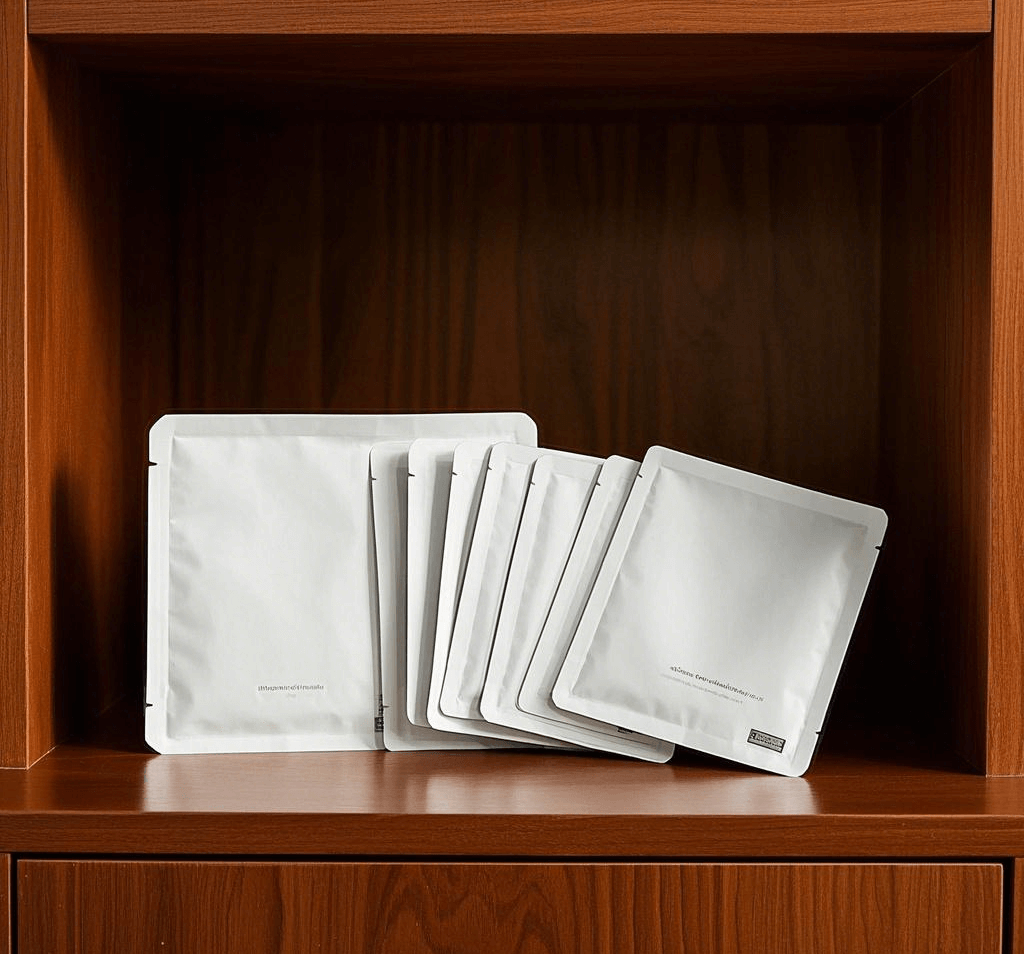
Sheet masks are made from a thin, breathable fabric soaked in serum, while cream masks are typically thicker and applied directly to the skin. Sheet masks are often used for hydration and quick results, while cream masks may provide more intense treatment for concerns like acne or aging.
6. Can I leave a face mask on overnight?
Leaving a face mask on overnight depends on the type of mask you're using. Hydrating or nourishing masks can typically be worn overnight, but it’s best to follow the directions provided. Avoid overnight use with exfoliating masks, as they can irritate the skin.
7. Are there any side effects from using face masks?
While face masks are generally safe, some people may experience mild irritation or allergic reactions, especially if they have sensitive skin. Always patch-test a small amount of the product on your skin before full application to prevent any adverse reactions.
8. Should I moisturize after using a face mask?
Yes, it's a good idea to follow up with a moisturizer after using a face mask, especially if your mask was exfoliating or deep-cleansing. This will help lock in hydration and maintain the skin’s balance.
In 2025, consumers are prioritizing high-quality ingredients in their skincare products, and face masks are no exception. Whether you’re looking to hydrate, brighten, or detoxify, there are a variety of face mask ingredients that can address specific skincare concerns. By understanding the benefits of ingredients like hyaluronic acid, vitamin C, tea tree oil, and clay, you can make informed decisions that will enhance your skincare routine.
Remember, always choose face masks that are suitable for your skin type and concerns. Ingredient transparency, quality, and ethical practices are also key factors in choosing the right product. Armed with this knowledge, you're one step closer to achieving healthy, glowing skin with the perfect face mask.
Guangzhou Qinhan Biotechnology Co., Ltd.
How to Find a Reliable Face Mask Manufacturer to Supply Your Online Cosmetics Business?
Which Types of Face Masks Are the Most Popular in Online Beauty Stores