Which Types of Face Masks Are the Most Popular in Online Beauty Stores
In the ever-evolving world of skincare, face masks have emerged as one of the most sought-after products in beauty routines worldwide. Whether you're looking to hydrate your skin, tackle acne, or give your complexion a glow-up, the face mask category has something to offer for every skin type and concern. In online beauty stores, face masks are flying off the digital shelves, and their demand continues to grow as consumers look for convenient ways to achieve professional skincare results at home.
But with so many types of face masks flooding the market, how do you know which ones are the most popular and why? If you’ve ever wondered which face masks reign supreme in online beauty stores and how to choose the right one for your skincare needs, then you’ve come to the right place. Let’s dive into the most popular face mask types, what makes them so effective, and answer some of the most common questions you may have before making your next purchase.
Top Face Mask Types in Online Beauty Stores
1. Hydrating Face Masks
Why They’re Popular:
Hydration is key to healthy, glowing skin, and hydrating face masks have become essential for achieving that coveted dewy look. These masks are formulated with ingredients like hyaluronic acid, aloe vera, glycerin, and vitamin E to replenish moisture, boost elasticity, and restore skin vitality. Hydrating face masks are especially popular among those with dry, dehydrated, or dull skin, offering an instant moisture boost and softening effect.
Benefits:
- Intense moisture and hydration
- Softens and smooths the skin
- Refreshes dull or tired-looking skin
- Suitable for all skin types, especially dry or sensitive
Ideal For:
- Dry, flaky skin
- Winter months when the skin tends to lose moisture
- Skin that needs a quick refresh before an event
2. Clay Masks
Why They’re Popular:
Clay masks are a staple for anyone dealing with oily or acne-prone skin. These masks work by drawing out impurities, excess oil, and toxins from the skin’s surface, leaving the complexion clearer and smoother. Ingredients like kaolin clay, bentonite clay, and French green clay are commonly used for their purifying and detoxifying properties. For those who struggle with breakouts, clogged pores, or excess shine, clay masks are a go-to solution.
Benefits:
- Deep pore cleansing
- Absorbs excess oil and prevents breakouts
- Helps balance the skin’s oil production
- Reduces inflammation and redness
Ideal For:
- Oily, acne-prone, or combination skin
- Those with enlarged pores or blackheads
- People who experience frequent breakouts
3. Sheet Masks
Why They’re Popular:
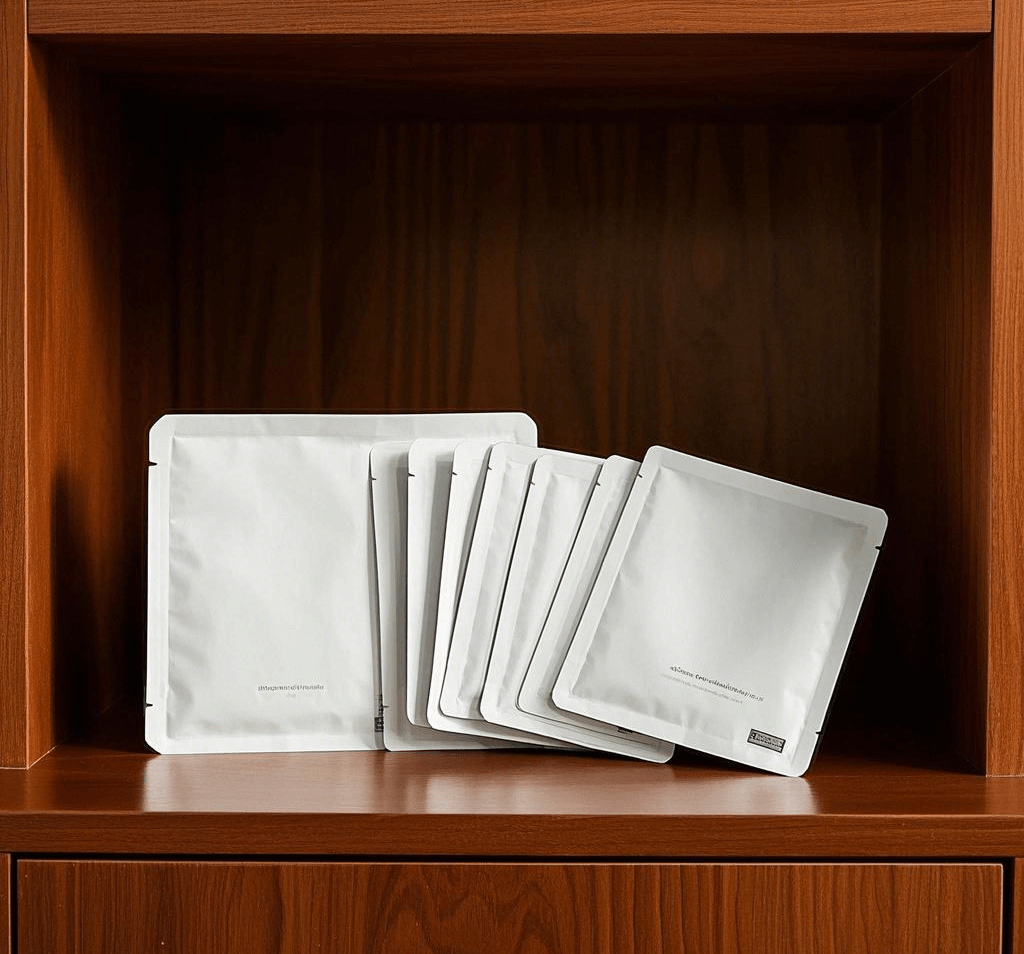
Sheet masks are the convenience kings of the skincare world. These pre-soaked, fiber masks are saturated with serums packed with nourishing ingredients, offering a fast and mess-free solution for your skin. Sheet masks are loved for their ability to deliver concentrated nutrients directly to the skin, targeting various concerns like anti-aging, hydration, brightening, and soothing.
Benefits:
- Quick, easy, and convenient to use
- Provides targeted treatment for specific skin concerns
- Ideal for on-the-go or busy individuals
- Non-messy application
Ideal For:
- People looking for an instant skincare boost
- Travel or weekend skincare routines
- Those needing a quick fix before a big event
4. Peel-Off Masks
Why They’re Popular:
Peel-off masks are a fun and satisfying skincare experience, often used for deep cleansing. These masks typically contain ingredients like charcoal, fruit enzymes, or acids to exfoliate and lift dead skin cells, revealing a fresh, radiant complexion. The peeling process also helps to remove impurities from the skin, leaving behind a smooth, clarified surface.
Benefits:
- Exfoliates and removes dead skin cells
- Helps reduce blackheads and minimize pores
- Smoothens and brightens the skin
- Offers an instant glow
Ideal For:
- Those with dull, uneven skin tone
- Individuals with blackheads or clogged pores
- Anyone wanting a deep exfoliation without the irritation of scrubs
5. Exfoliating Masks
Why They’re Popular:
Exfoliating masks are packed with gentle yet effective exfoliants like enzymes (papaya, pumpkin), alpha hydroxy acids (AHAs), or beta hydroxy acids (BHAs). These ingredients work to slough off dead skin cells, revealing brighter, smoother, and more even skin underneath. Regular use of exfoliating masks can improve skin texture, reduce the appearance of fine lines, and promote overall skin radiance.
Benefits:
- Exfoliates and brightens the skin
- Reduces the appearance of fine lines and wrinkles
- Improves skin texture and tone
- Can help with acne scars and hyperpigmentation
Ideal For:
- Dull or uneven skin tone
- Aging skin with fine lines
- People dealing with acne scars or hyperpigmentation
6. Anti-Aging Masks
Why They’re Popular:
Anti-aging face masks are formulated to target common signs of aging, including fine lines, wrinkles, sagging, and dullness. These masks often contain powerhouse ingredients like retinol, peptides, collagen, and antioxidants to boost skin elasticity, repair damaged cells, and reduce the appearance of aging. As more people look for preventative skincare, anti-aging masks have become a popular choice among individuals in their 30s and beyond.
Benefits:
- Reduces the appearance of wrinkles and fine lines
- Firms and tightens the skin
- Enhances skin elasticity and smoothness
- Promotes collagen production
Ideal For:
- People in their 30s and older
- Those concerned with signs of aging
- People looking to maintain youthful skin
7. Brightening Face Masks
Why They’re Popular:
Brightening masks are designed to tackle uneven skin tone, dullness, and dark spots. They typically contain ingredients like vitamin C, niacinamide, and licorice extract, which work to reduce pigmentation, fade dark spots, and promote a radiant complexion. These masks are particularly popular for those seeking a fresh, glowing look and combating hyperpigmentation from sun damage or acne scars.
Benefits:
- Evens out skin tone
- Reduces dark spots and hyperpigmentation
- Promotes a radiant, glowing complexion
- Targets sun spots and acne scars
Ideal For:
- Dull, uneven skin tone
- Sun-damaged skin or hyperpigmentation
- People seeking a brightening, dewy effect
Frequently Asked Questions (FAQ)
1. How Often Should I Use a Face Mask?
The frequency of mask use depends on the type of mask and your skin's needs. Hydrating masks can be used 1-3 times per week, while clay masks may be best suited for once a week. Exfoliating and peel-off masks should be used 1-2 times per week to avoid over-exfoliation. Anti-aging or brightening masks can be used 2-3 times per week. Always check the instructions on the product for the best results.
2. Can I Use Different Types of Face Masks in One Routine?
Yes, many skincare enthusiasts opt for a technique called “multi-masking.” This involves using different types of face masks on different areas of the face depending on specific concerns. For example, you could use a clay mask on your T-zone for oil control and a hydrating mask on your cheeks for added moisture. Multi-masking allows you to address multiple skin concerns simultaneously.
3. Are Sheet Masks Better Than Clay Masks?
Both sheet masks and clay masks have their benefits, but they serve different purposes. Sheet masks are more suitable for providing an instant hydration boost and delivering a concentrated serum to the skin. On the other hand, clay masks are more effective for deep cleansing and oil control. It depends on your skin’s needs—sheet masks for hydration and clay masks for detoxification.
4. How Do I Know Which Face Mask Is Right for My Skin?
Choosing the right face mask depends on your skin type and concerns. If you have dry skin, go for hydrating masks or sheet masks. Oily or acne-prone skin will benefit from clay or exfoliating masks. For uneven skin tone or dullness, brightening masks with vitamin C can help. For anti-aging concerns, look for masks with peptides or retinol. Always patch-test new products to ensure compatibility with your skin.
5. Can I Use Face Masks if I Have Sensitive Skin?
Yes, but it’s essential to choose masks formulated for sensitive skin. Avoid harsh ingredients like fragrance, alcohol, or strong acids. Look for masks with soothing ingredients like aloe vera, chamomile, or oatmeal. Gentle hydrating masks or sheet masks can be beneficial for sensitive skin, as they often provide moisture without irritation.
6. Are Natural Face Masks Better Than Synthetic Ones?
Natural face masks can be great for sensitive skin as they tend to have fewer synthetic chemicals. However, synthetic masks often contain highly effective active ingredients like retinol or peptides, which might be harder to find in natural formulations. It ultimately depends on your skin’s needs and preferences. Look for clean beauty brands that prioritize effective ingredients, regardless of whether they are natural or synthetic.
7. Can Face Masks Replace My Skincare Routine?
Face masks are a supplementary step in your skincare routine, not a replacement. They are designed to provide targeted treatments for specific concerns but should be used alongside your regular cleansing, toning, and moisturizing routine. Masks should enhance the benefits of your daily skincare products.
8. What Are the Key Ingredients to Look for in a Face Mask?
Some of the most popular and effective ingredients to look for in face masks include:
- Hyaluronic Acid for hydration
- Vitamin C for brightening and pigmentation
- Bentonite or Kaolin Clay for oil control and acne prevention
- Retinol for anti-aging and cell turnover
- Peptides for skin regeneration and elasticity
- Niacinamide for even skin tone and anti-inflammatory effects
In today’s fast-paced world, online beauty stores offer a plethora of face masks to cater to every skin need. Whether you’re looking for hydration, oil control, or a boost in radiance, there’s a mask out there for you. The key to choosing the right one lies in understanding your skin’s needs and selecting a mask that addresses those concerns effectively.
Remember, face masks are an exciting and pampering addition to your skincare routine, but consistency is key. So, whether you’re tackling acne with a clay mask or brightening your complexion with a vitamin C-infused sheet mask, make sure to incorporate them into your routine in a way that enhances your overall skincare strategy.
Take your skincare to the next level by choosing the right face mask for your unique needs, and enjoy the benefits of healthier, more radiant skin!
Guangzhou Qinhan Biotechnology Co., Ltd.
What Are the Most Popular Face Mask Ingredients That Consumers Are Looking For?
What Are the Most Effective Ways to Market Face Masks to Younger Consumers?