Why Skincare Certification and Ethical Sourcing Matter for Your Skin Health
1、What is Skincare Certification?
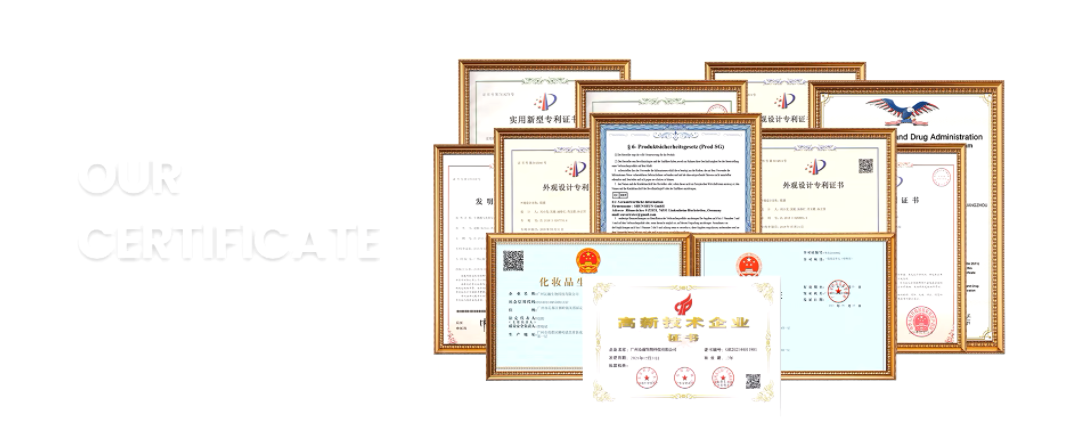
Skincare certifications are official recognitions given to products or manufacturers that meet specific standards of quality, safety, and efficacy. These certifications are awarded by independent organizations or regulatory bodies after rigorous testing and evaluation.
Some of the most common certifications you might see on skincare products include:
-
GMP (Good Manufacturing Practice): Ensures products are consistently produced and controlled according to quality standards.
-
ISO (International Organization for Standardization): Indicates adherence to international standards for quality management.
-
FDA (Food and Drug Administration): Confirms compliance with U.S. regulations for safety and labeling.
Why Should You Care About Skincare Certification?
-
Safety Assurance: Certified products are less likely to contain harmful ingredients or contaminants.
-
Proven Efficacy: Certifications often require scientific evidence that the product works as claimed.
-
Transparency: Brands with certifications are more likely to be transparent about their ingredients and processes.
2、The Role of Regulatory Compliance in Skincare
While certifications are voluntary, Regulatory Compliance is mandatory. It refers to the adherence to laws and regulations set by governing bodies to ensure product safety and consumer protection.
For example, in the U.S., the FDA regulates cosmetics under the Federal Food, Drug, and Cosmetic Act. In the EU, the Cosmetic Regulation (EC) No 1223/2009 sets strict guidelines for ingredient safety and labeling.
Why Regulatory Compliance Matters
-
Consumer Protection: Compliance ensures that products are safe for use and free from harmful substances.
-
Global Market Access: Compliant products can be sold in multiple regions, giving consumers access to a wider range of options.
-
Brand Trustworthiness: Brands that prioritize compliance demonstrate a commitment to consumer safety.
3、What is Ethical Sourcing?
Ethical sourcing refers to the practice of obtaining ingredients and materials in a way that is socially and environmentally responsible. This includes:
-
Sustainable Harvesting: Ensuring that natural resources are not depleted.
-
Fair Trade Practices: Supporting fair wages and safe working conditions for farmers and workers.
-
Eco-Friendly Packaging: Using recyclable or biodegradable materials to reduce environmental impact.
Why Ethical Sourcing is Important
-
Environmental Impact: Ethically sourced ingredients help protect ecosystems and reduce carbon footprints.
-
Social Responsibility: Supporting fair trade practices contributes to the well-being of communities.
-
Product Quality: Ingredients sourced responsibly are often of higher quality, leading to better skincare results.
4、How Skincare Certification and Ethical Sourcing Benefit Your Skin Health
When you choose products that are certified and ethically sourced, you’re not just making a choice for the planet—you’re making a choice for your skin. Here’s how:
-
Fewer Irritants: Certified products are less likely to contain harsh chemicals that can irritate the skin.
-
Higher Quality Ingredients: Ethically sourced ingredients are often purer and more effective.
-
Peace of Mind: Knowing that your skincare aligns with your values can reduce stress, which is great for your skin!
5、FAQs About Skincare Certification and Ethical Sourcing
1. What does "skincare certification" mean?
Skincare certification means that a product or manufacturer has met specific standards set by an independent organization. These standards often relate to safety, quality, and efficacy.
2. Are certified skincare products more expensive?
Not necessarily. While some certified products may cost more due to higher quality ingredients or rigorous testing, many affordable options are also certified.
3. How can I tell if a product is ethically sourced?
Look for labels like "Fair Trade," "Cruelty-Free," or "Sustainable." You can also check the brand’s website for information on their sourcing practices.
4. Is regulatory compliance the same as certification?
No. Compliance refers to meeting legal requirements, while certification is a voluntary process that often exceeds basic regulations.
5. Why should I care about ethical sourcing if I just want good skincare?
Ethically sourced ingredients are often of higher quality, which can lead to better skincare results. Plus, supporting ethical practices helps protect the environment and communities.
6. Can small brands afford to get certified?
Yes! Many certification programs are accessible to brands of all sizes. Some even offer grants or discounts to small businesses.
7. Are all natural ingredients ethically sourced?
Not always. Even natural ingredients can be harvested unsustainably or unethically. Always check the brand’s sourcing policies.
8. How do I know if a certification is legitimate?
Research the certifying organization to ensure it’s reputable. Look for well-known names like USDA Organic, ECOCERT, or Leaping Bunny.
Conclusion: Make Informed Choices for Your Skin and the Planet
Skincare Certification and Ethical Sourcing are more than just trends—they are essential practices that benefit your skin health, the environment, and society as a whole. By choosing products that prioritize these values, you’re not only investing in your own well-being but also supporting a more sustainable and ethical beauty industry.
How to Prevent Facial Wrinkles: 10 Science-Backed Strategies from SPF to Bio-Cellulose Masks
How We Deliver Functionally Compliant And Regulation-Ready Solutions